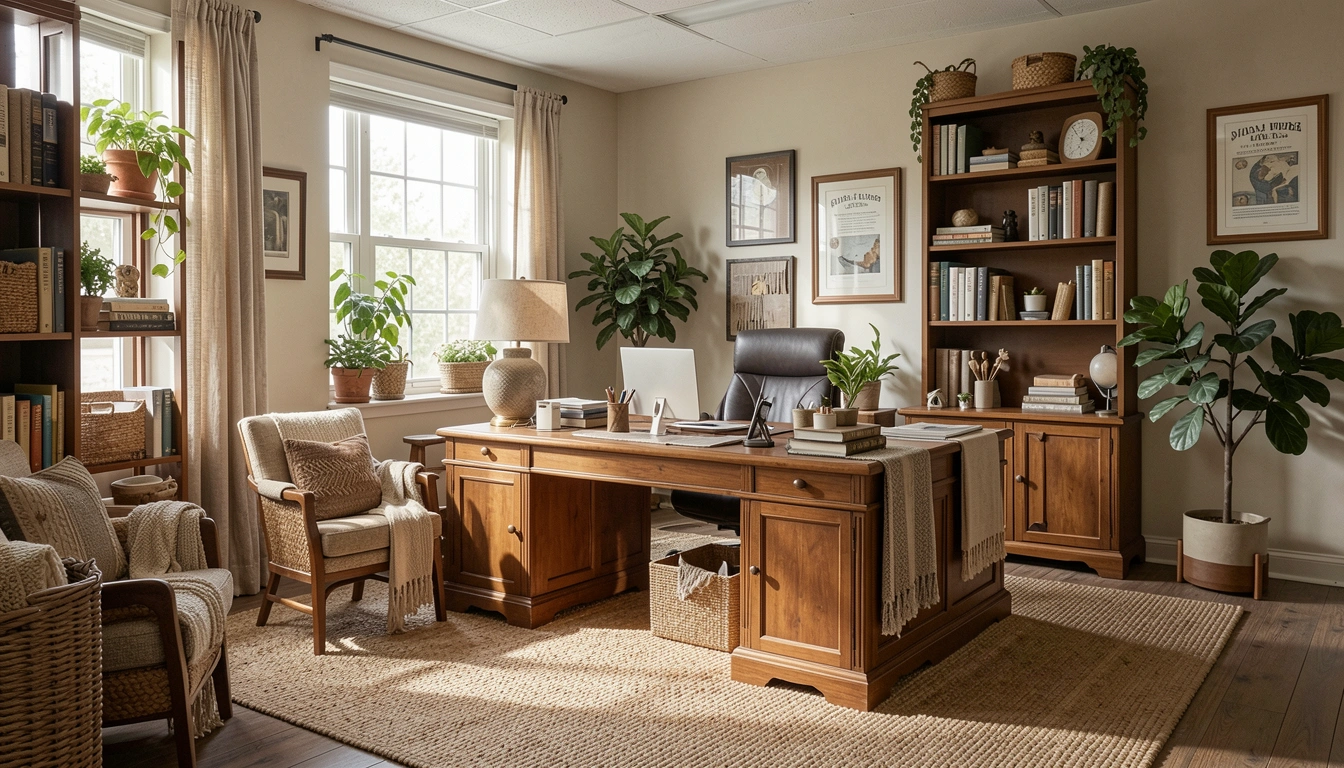
I remember walking into my friend's office as a new school principal. It was all metal cabinets and bare walls. The desk sat empty except for papers. It felt cold, like no one led from there.
I felt the same in my own workspace once. Nothing drew the eye. It lacked warmth, that quiet authority a principal needs.
We fixed it without fuss. Now it welcomes kids and staff alike.
How To Style Office Decor For The School Principal
This guide shows you how to layer simple pieces into a principal's office that feels balanced and lived-in. You'll end up with a space that commands respect while staying comfortable. It's the approach I take when an office needs quiet presence.
What You’ll Need
- 11×14 inch framed inspirational quote print
- Wooden desk organizer tray in walnut finish
- Faux fiddle leaf fig plant in 24-inch ceramic pot
- Leather-bound photo frame set, 5×7 inches
- Brass desk lamp with adjustable arm
- Set of 10 hardcover education books
- Neutral woven desk rug 3×5 feet
- Wall-mounted floating shelf in oak, 36 inches
Step 1: Anchor the Desk
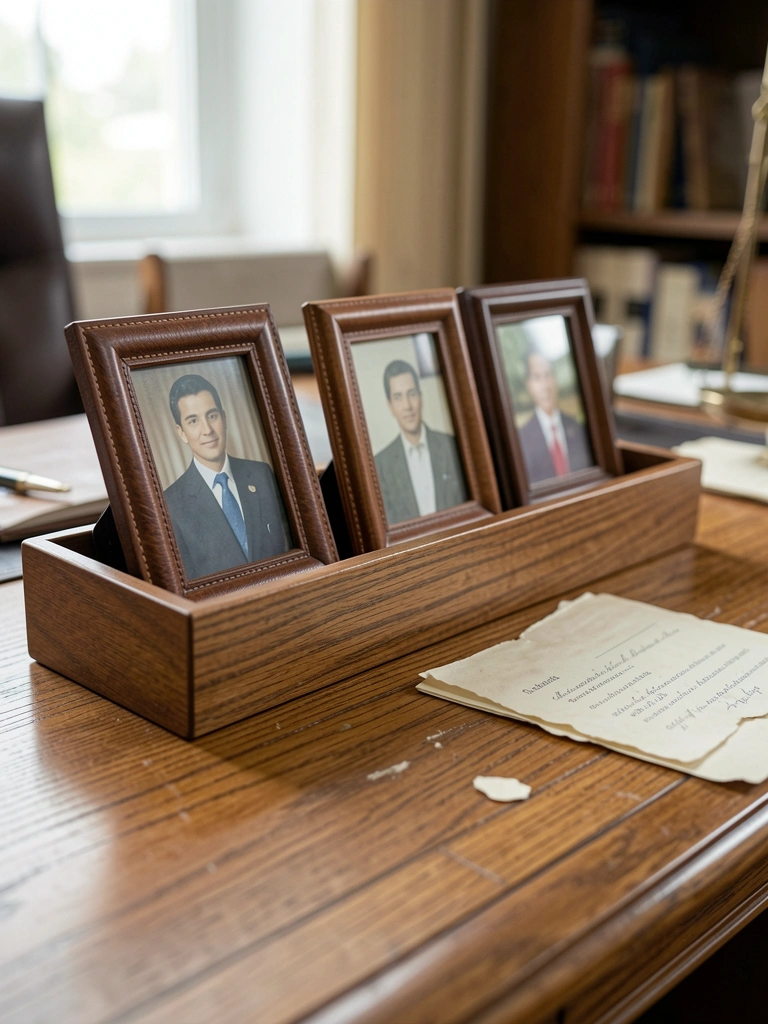
I start by clearing the desk surface. Then I place the wooden organizer in the center. It holds pens and a notepad right where my hand falls.
The desk shifts from chaos to calm. Light catches the wood, drawing the eye without glare. Now it feels like a command center.
People miss how empty space around items creates focus. Don't crowd it—leave room for papers to breathe. Avoid stacking too high; it blocks sightlines.
This grounds the whole room. I see it every time.
Step 2: Layer in Personal Touches
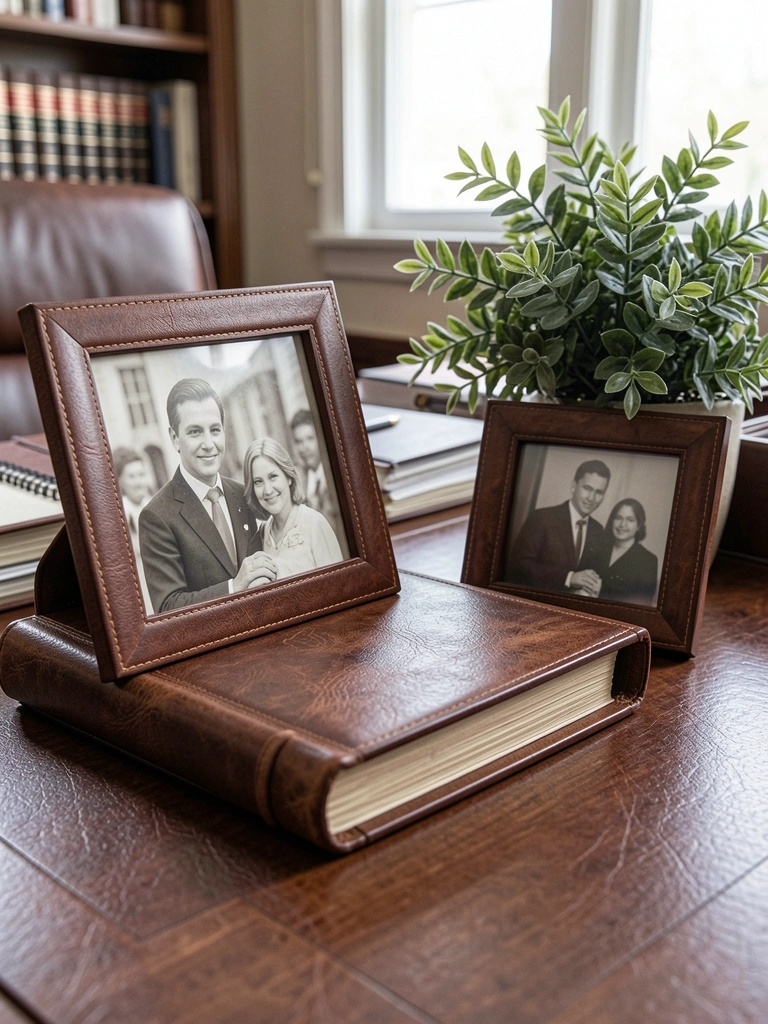
Next, I add the photo frames to one side. Family shots or school events go in. They lean slightly, not perfectly straight.
The surface warms up. Faces add life, making the space feel led by a real person.
The insight? Mix sizes for rhythm—don't line them up. Skip glass fronts if dust bothers you; they catch fingerprints.
It builds quiet connection. Staff notice without staring.
Step 3: Build Vertical Interest
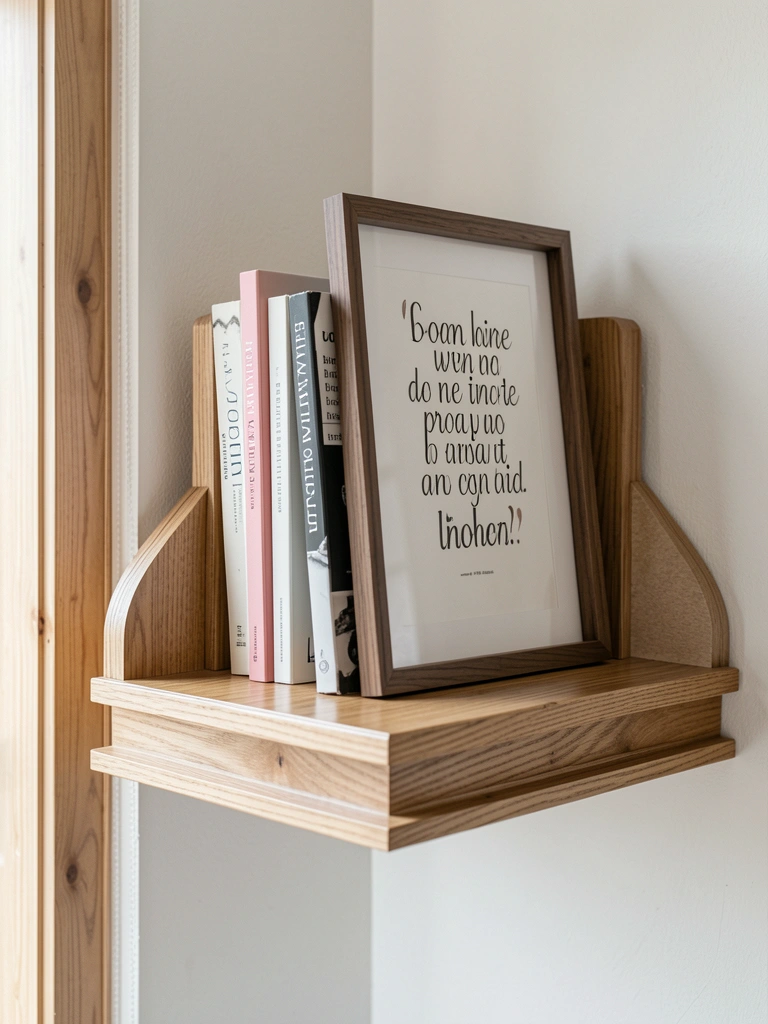
I mount the floating shelf at eye level above the desk. Education books stack loosely on one end, quote print leans nearby.
Walls stop feeling blank. The shelf pulls focus up, balancing the low desk.
Folks overlook shelf depth—use it for depth, not flat rows. Don't overload; three to five items max.
Now the office reads as thoughtful. Height matters.
Step 4: Soften with Greenery and Light
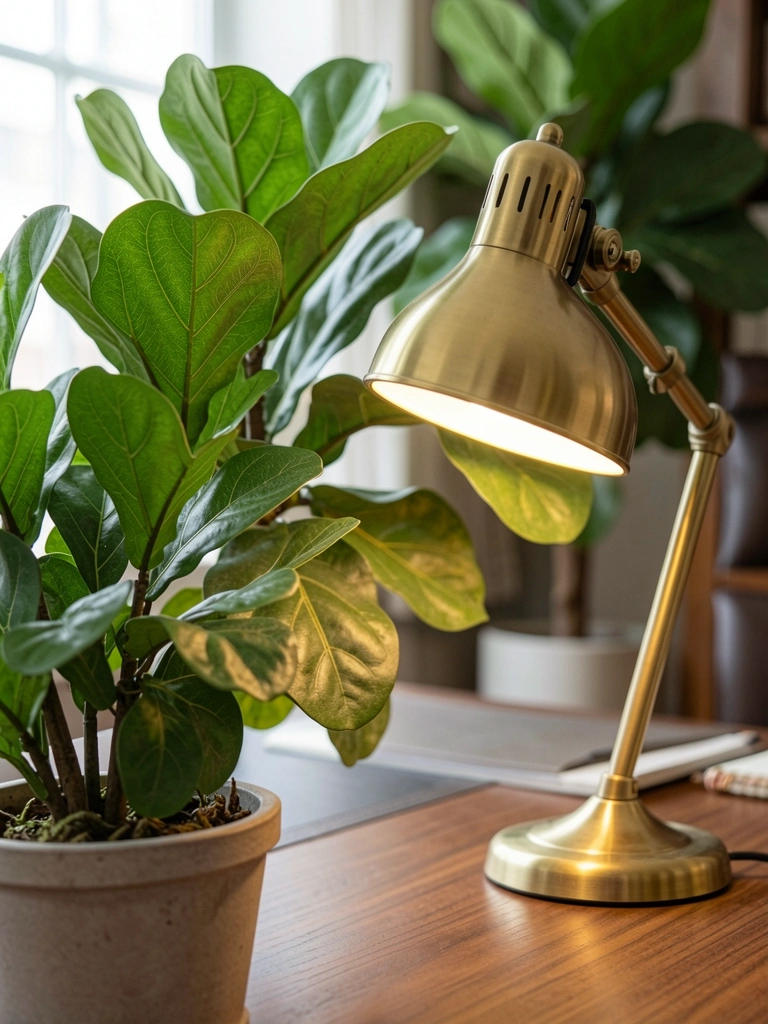
I set the plant beside the desk, lamp opposite. Angle the lamp arm toward work areas.
Corners fill softly. Green quiets harsh lines; light pools warmly.
Missed often: plants hide cables. Avoid direct sun spots—they fade leaves.
The room breathes now. It's comfortable for long days.
Step 5: Ground the Floor
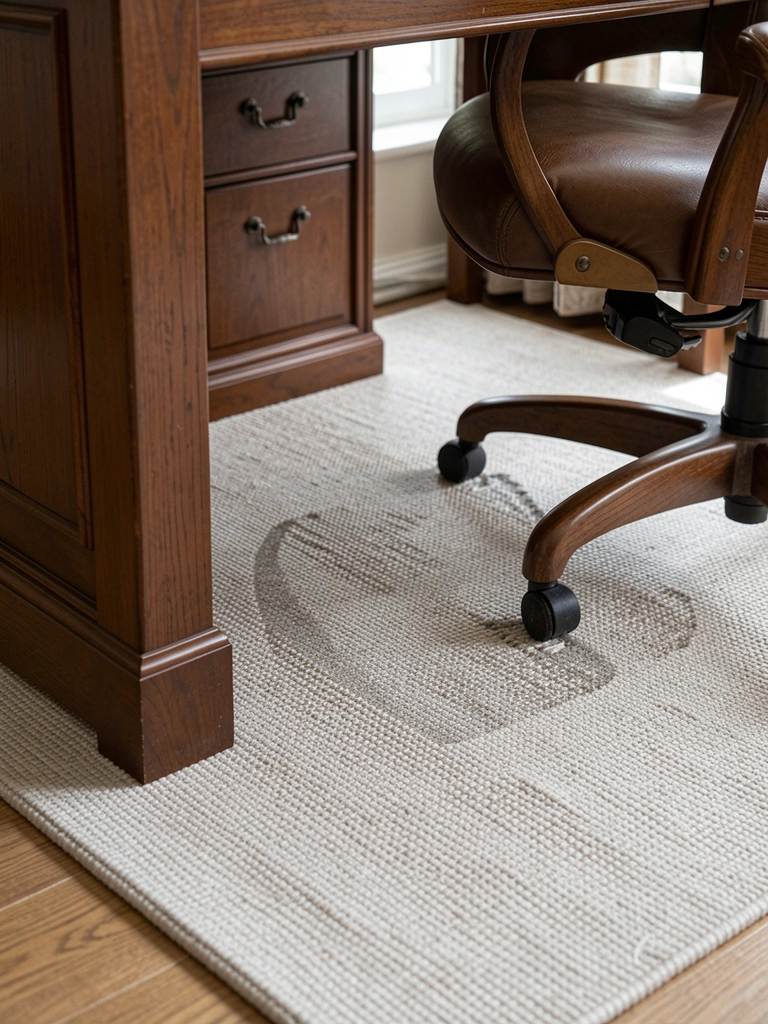
Last, I roll out the rug under the desk. It overlaps edges slightly.
The floor warms. Bare tile vanishes; feet feel settled.
Key insight: rugs define zones—let it peek under furniture. Skip busy patterns; neutrals steady the eye.
Everything connects. The office holds together.
Bookshelf Balance for Authority
I style principal bookshelves to signal leadership without stuffiness. Lean books forward. Mix heights.
- Tall spines on bottom for weight.
- Shorter awards or globes up top.
- One plant per shelf.
Gaps let light in. It feels approachable, not crammed.
Color Choices That Inspire
Neutral walls work best. Add warmth with wood tones and brass.
I layer taupes and soft grays. Green plants pop gently.
Avoid bright primaries—they distract. Test swatches in office light.
The palette stays calm for focused talks.
Quick Refresh Tips
Offices shift with seasons. Swap frames for student art.
- Dust shelves weekly.
- Rotate books quarterly.
- Check rug for wear.
Small tweaks keep it fresh. I do this yearly.
Final Thoughts
Start with the desk—it's the heart. You've got this; one layer at a time builds the feel.
Your office will settle into quiet command. Kids and teachers sense it.
It's just placement. Try it this weekend.
Leave a Reply