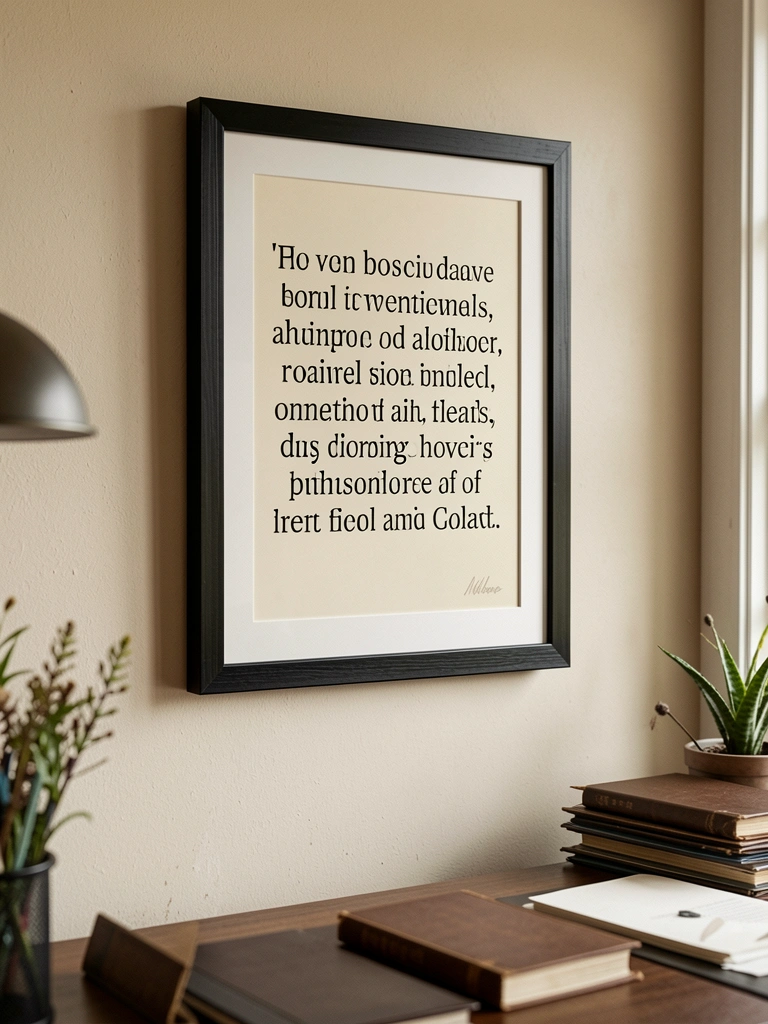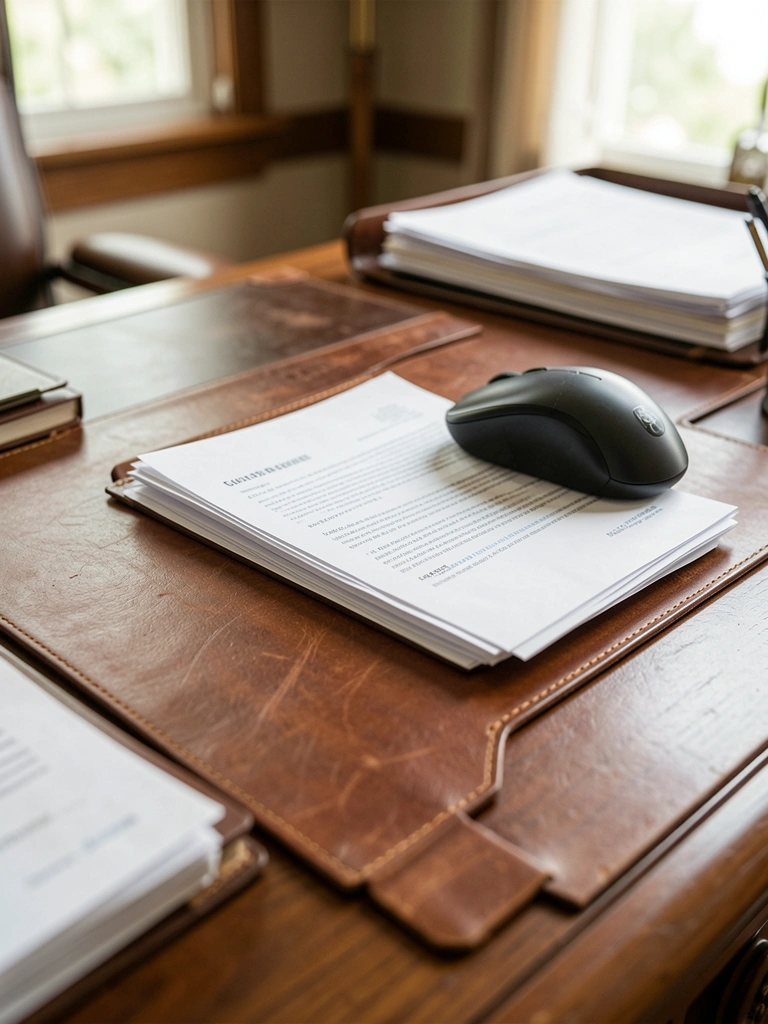
I stared at my principal office table last month. Piles of papers, a lone mug, and empty space everywhere. It felt cold, like no one worked there. I wanted it calm and ready for meetings, but nothing stayed put.
I moved things around for hours. Most setups looked cluttered or bare. Then I found a way that worked—simple placements that hold up all week.
Now my table welcomes parents and staff. It’s balanced, not fussy. You can do this too.
How To Style Principal Office Table Decor
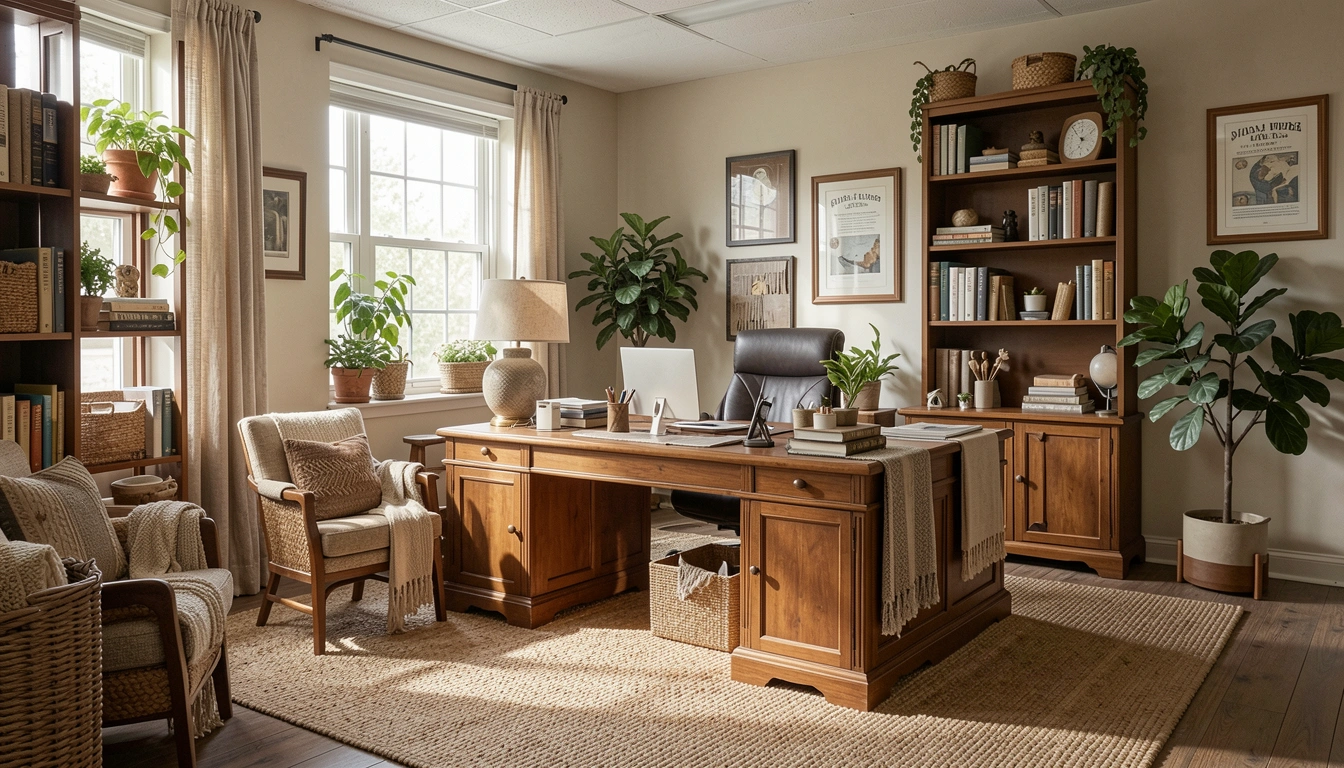
This method makes your principal office table feel grounded and professional. You’ll layer just enough to create calm focus. The end result is a surface that works for daily tasks and looks pulled together.
What You’ll Need
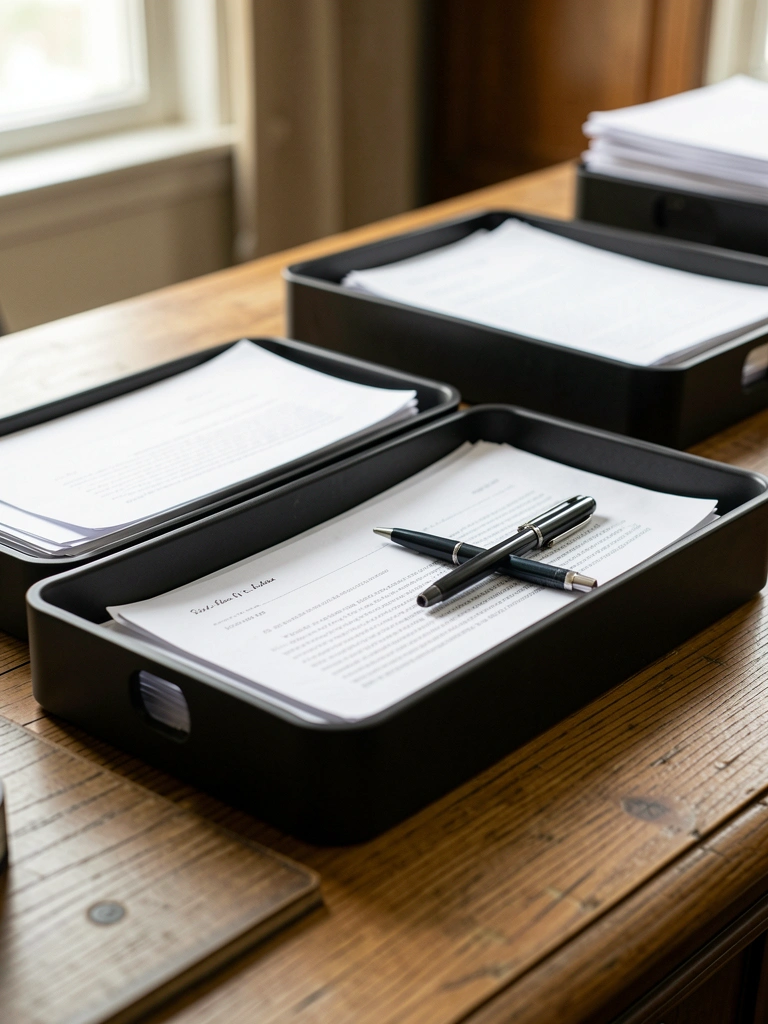
- Matte black wooden desk tray, 12×8 inches
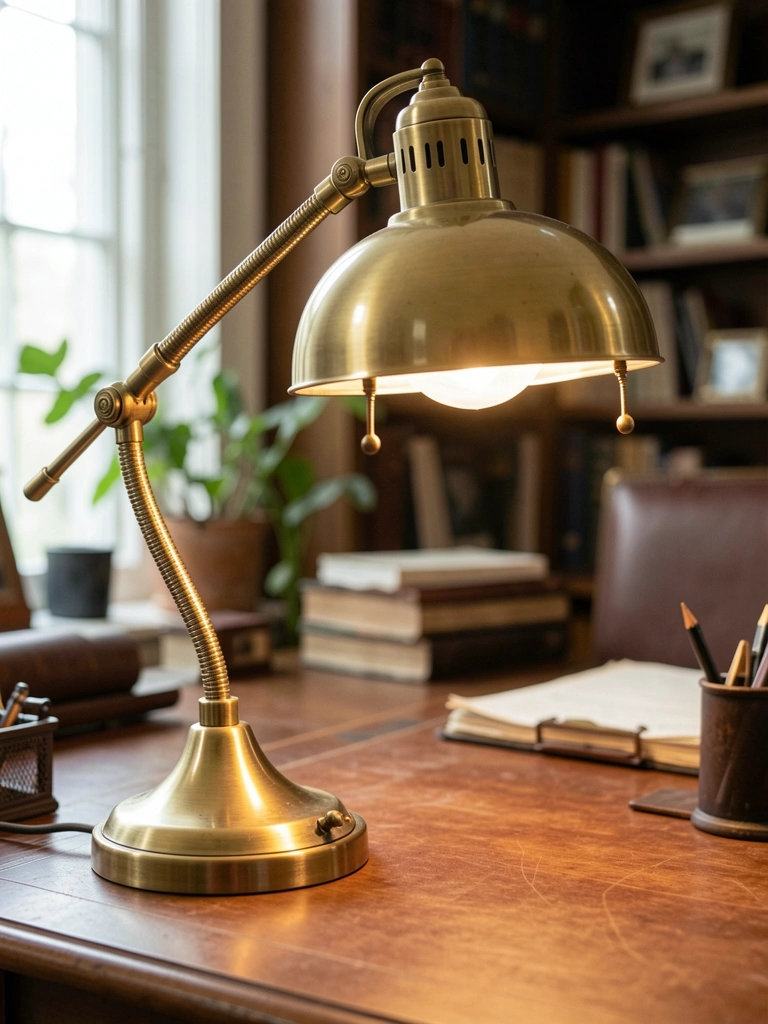
- Brass desk lamp, adjustable arm, 14 inches tall
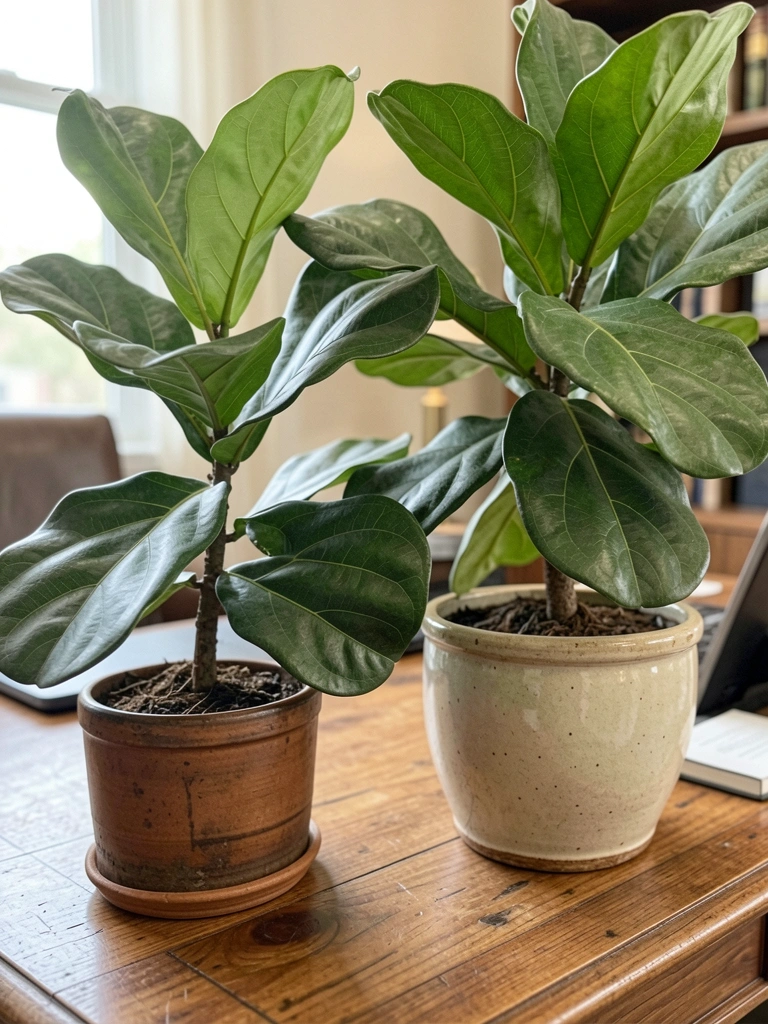
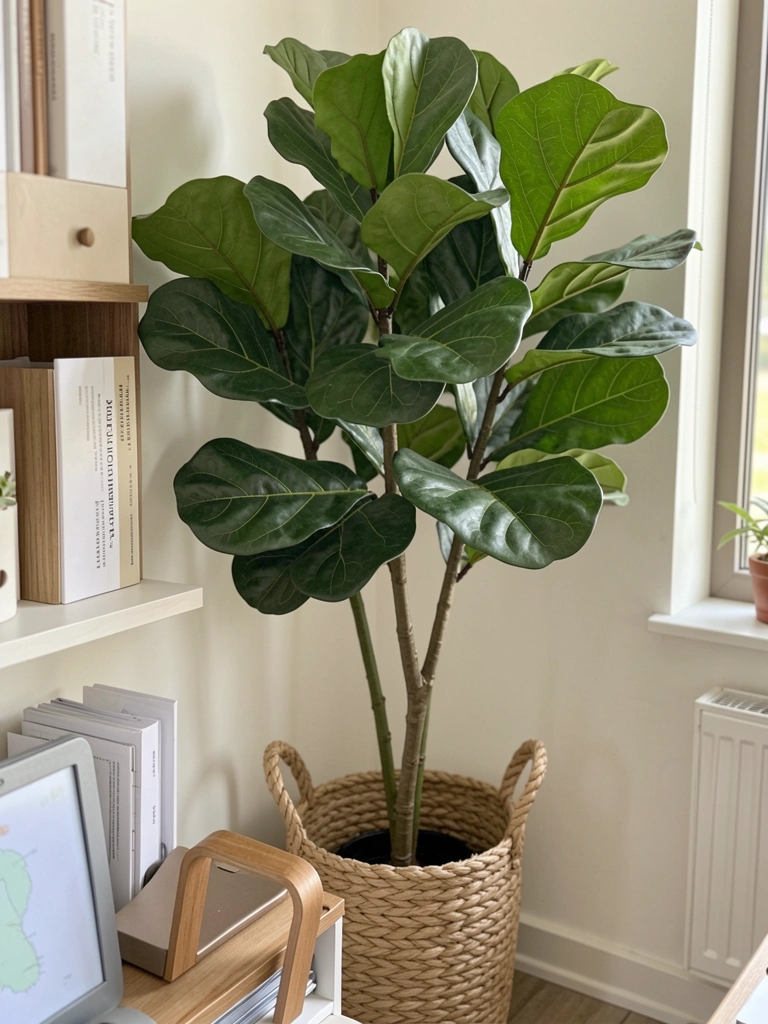
- Faux fiddle leaf plant in ceramic pot, 10 inches
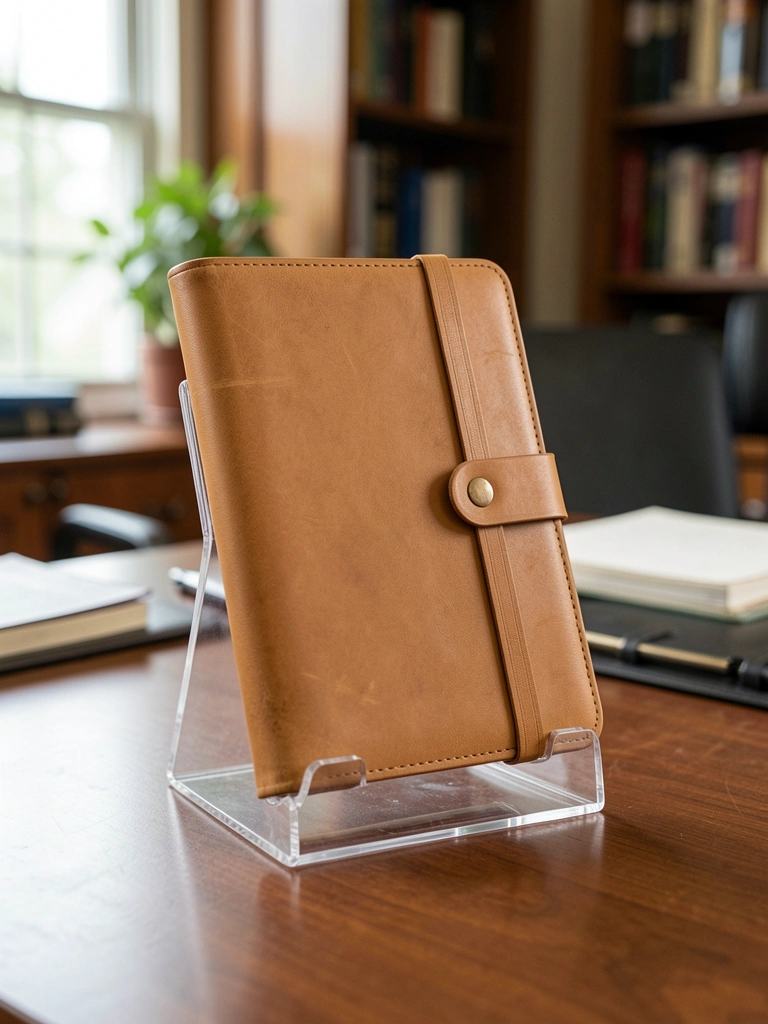
- Leather-bound notebook, A5 size, brown
- Set of three wooden coasters, round, 4 inches
- Metal photo frame, 5×7 inches, gold
- Slim acrylic pen holder, clear, 6 inches tall
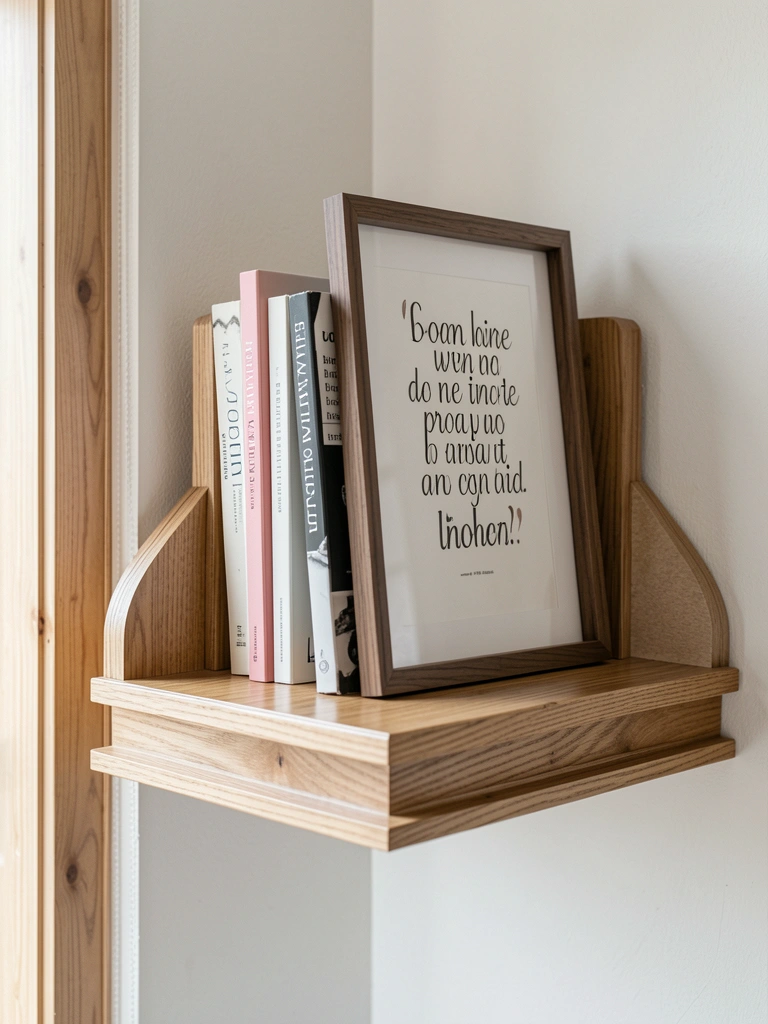
- Stackable wooden bookends, pair, oak finish
Step 1: Clear and Anchor the Center
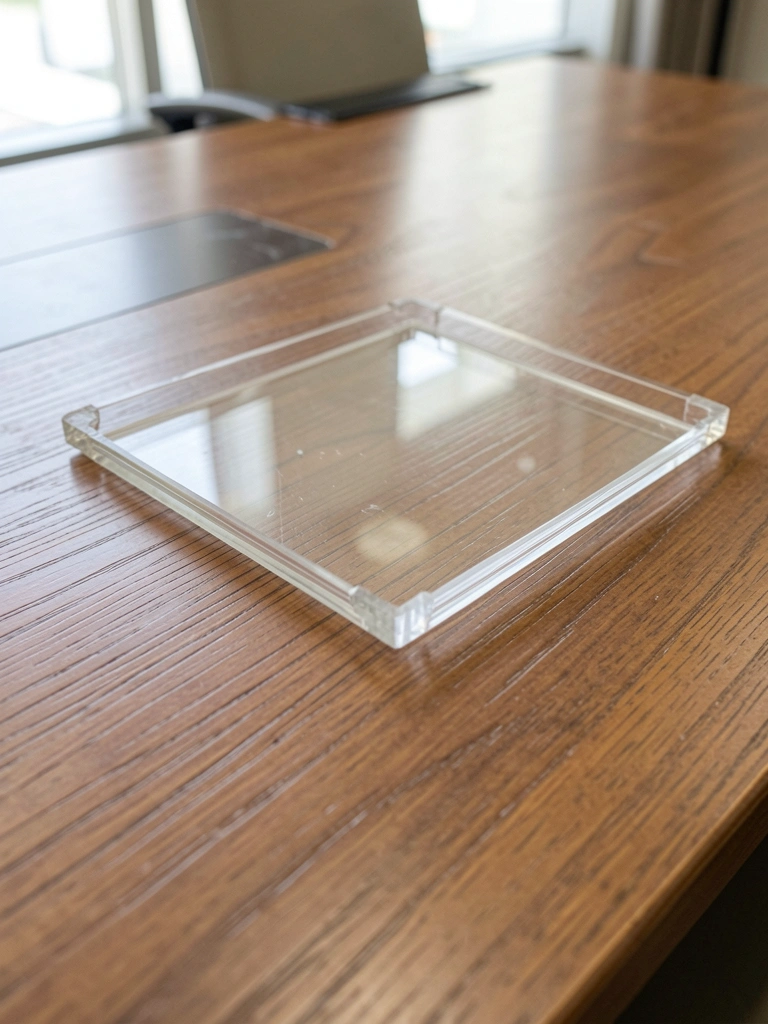
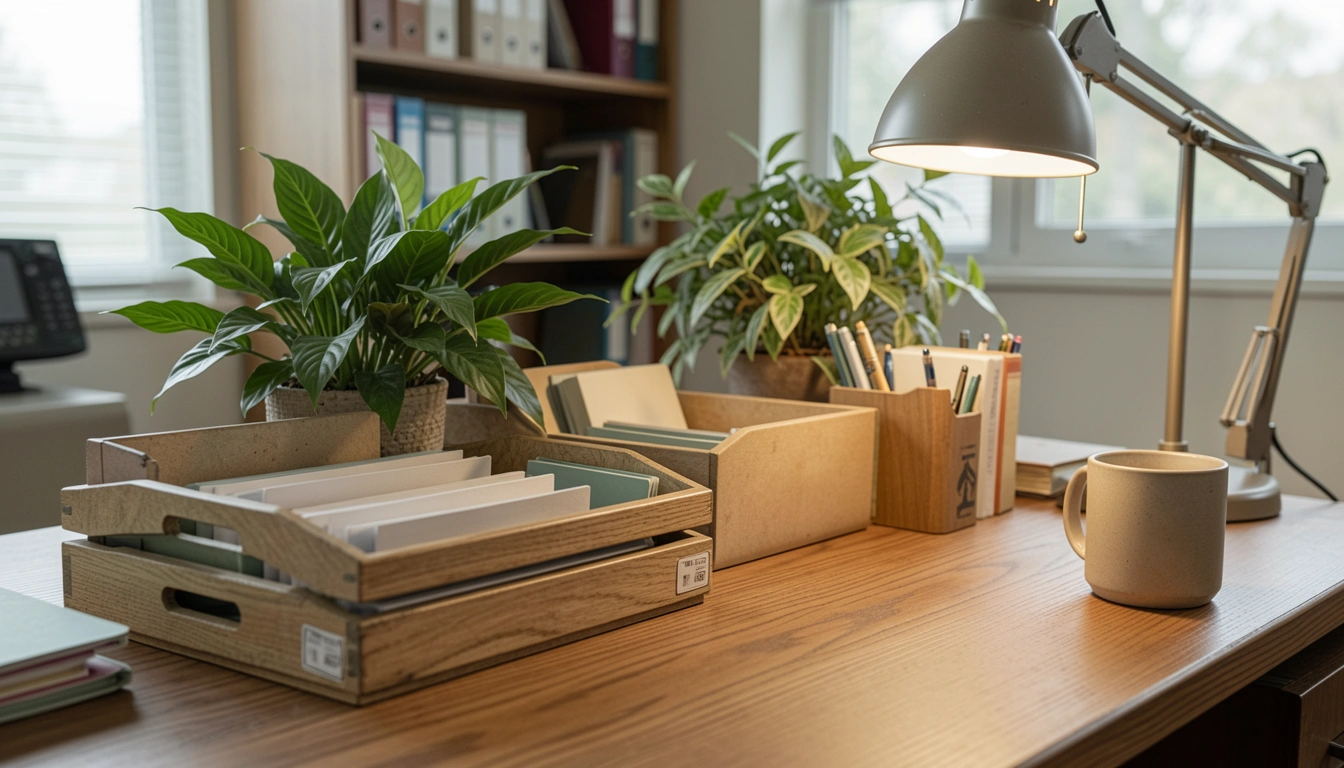
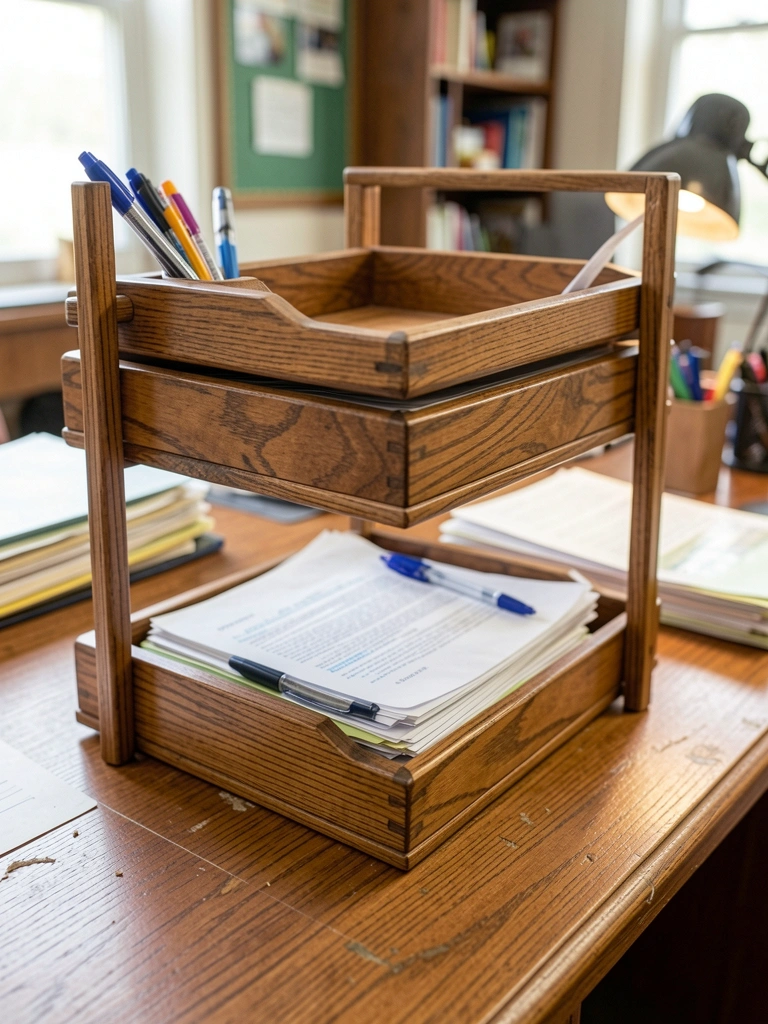
I start by wiping the table clean. No papers or stray items. Then I place the desk tray right in the center. It grounds everything, like a quiet anchor.
Visually, the table breathes now. Space opens up around the edges. People miss how this one piece sets the scale—too big overwhelms, too small gets lost.
Avoid pushing it off-center. That pulls the eye wrong. I keep mine dead center for that steady feel.
This step takes two minutes. My table went from chaos to calm instantly.
Step 2: Build Height on One Side
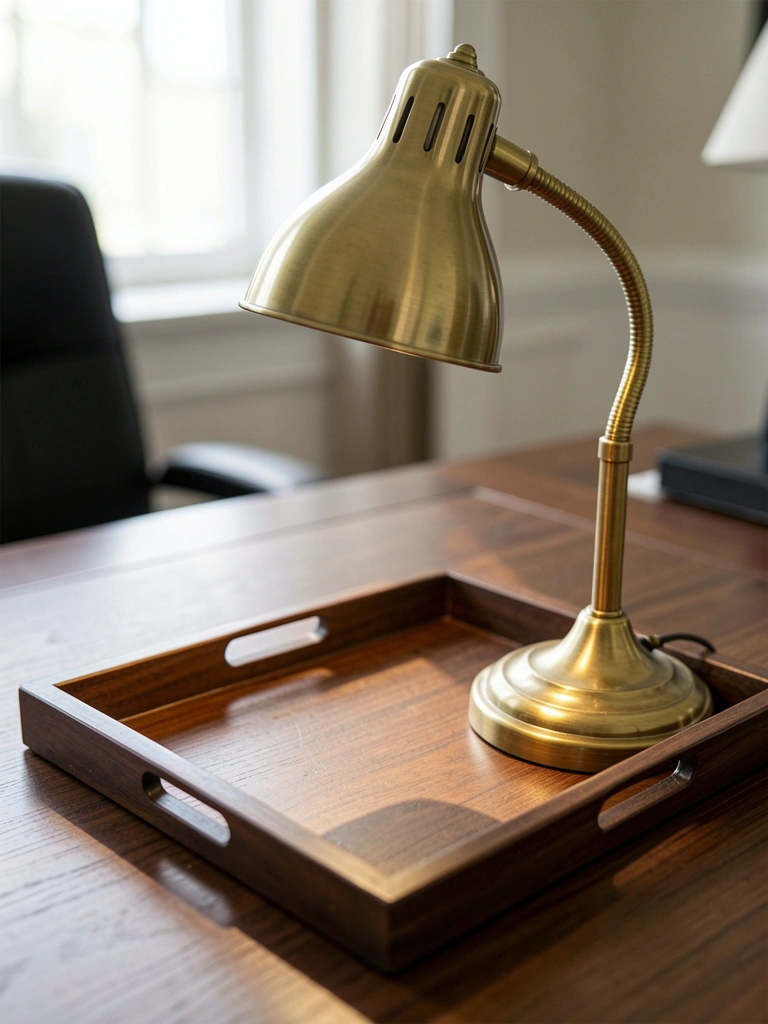
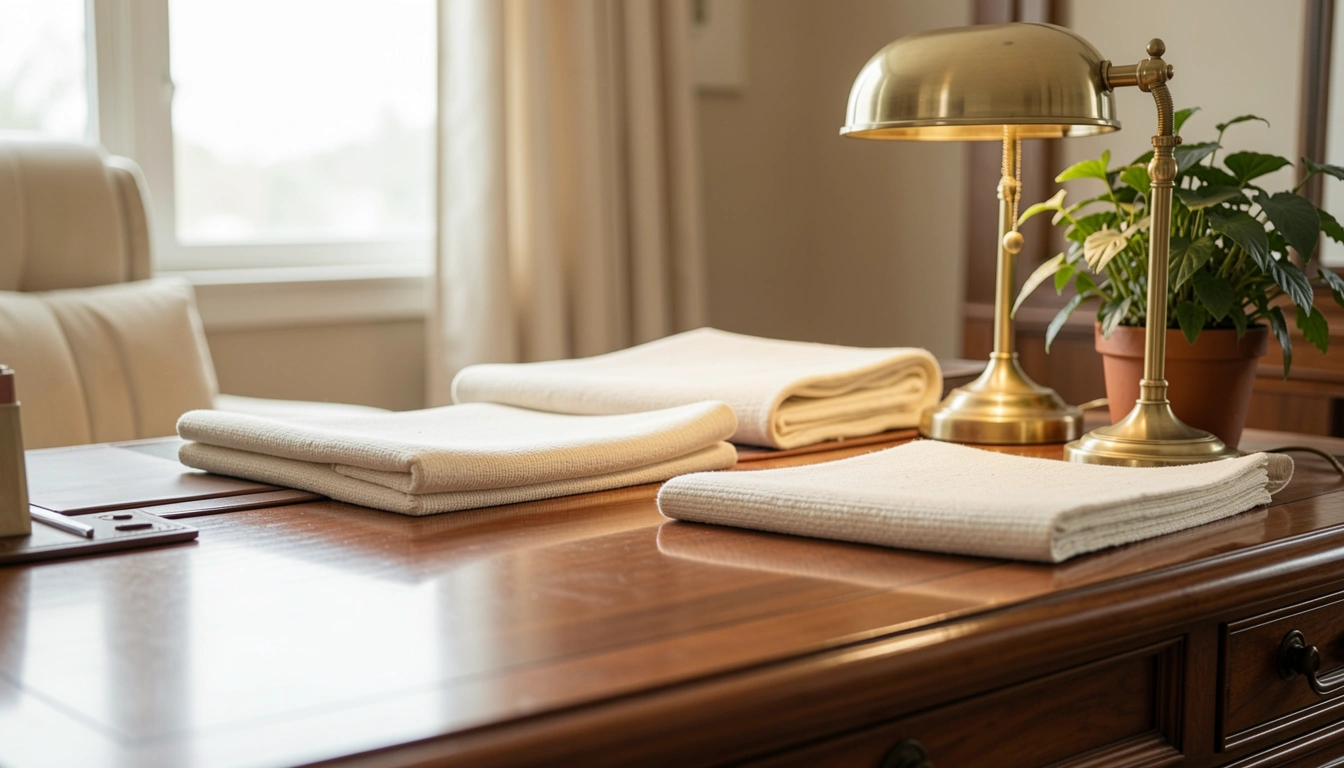
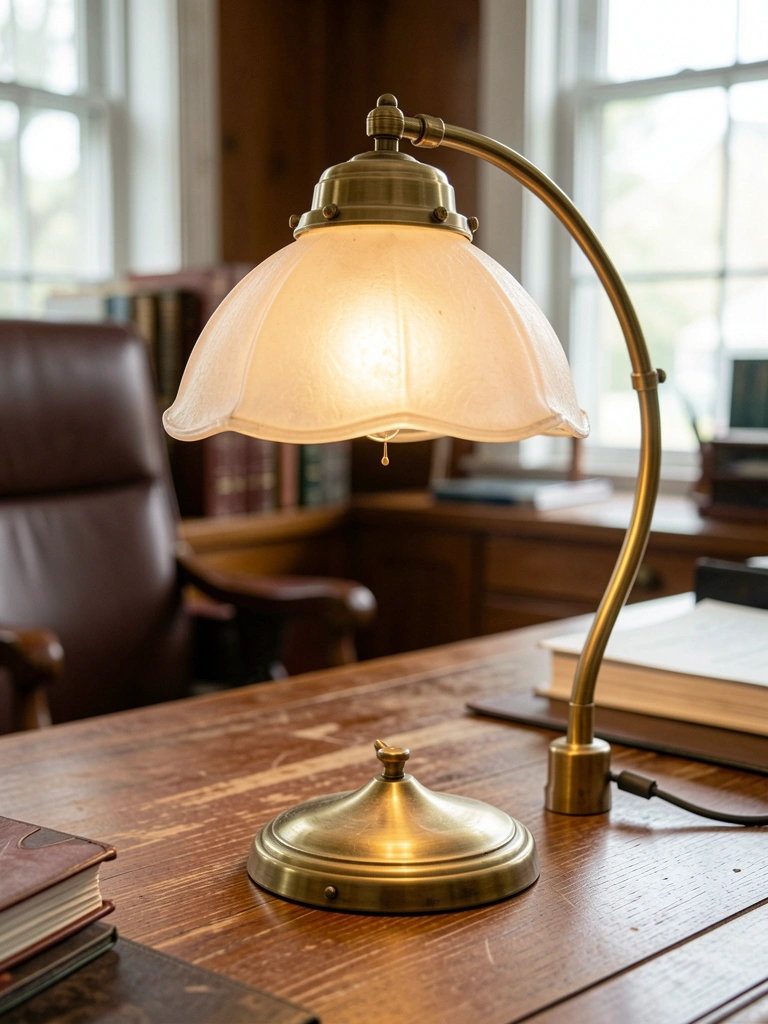
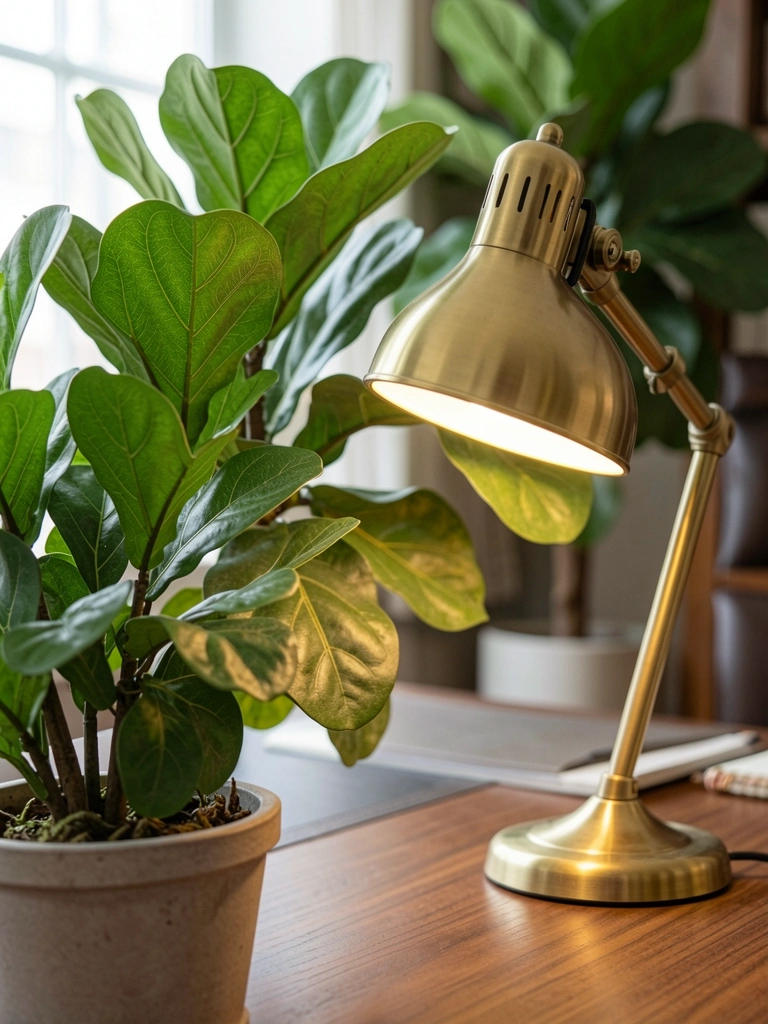
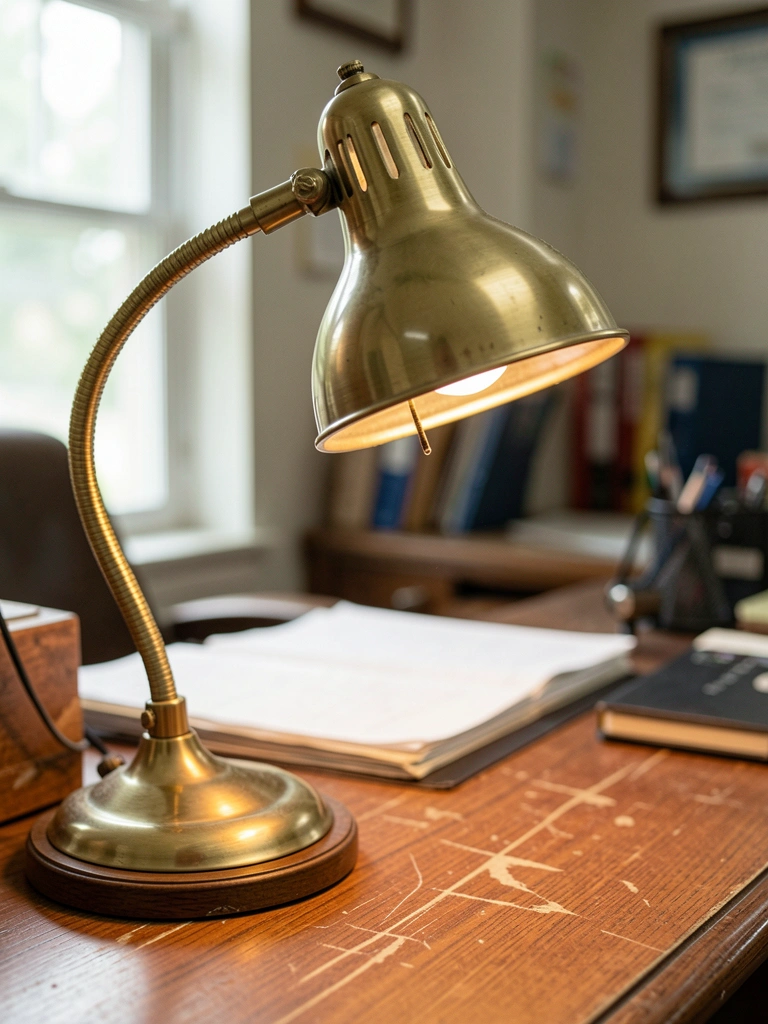
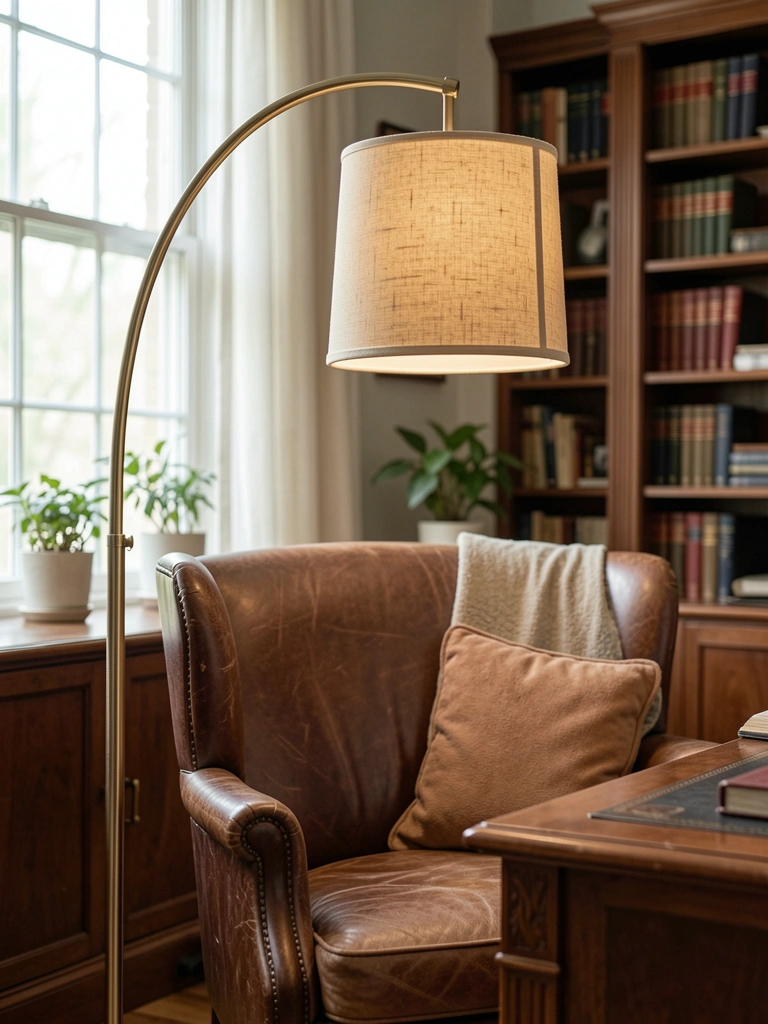
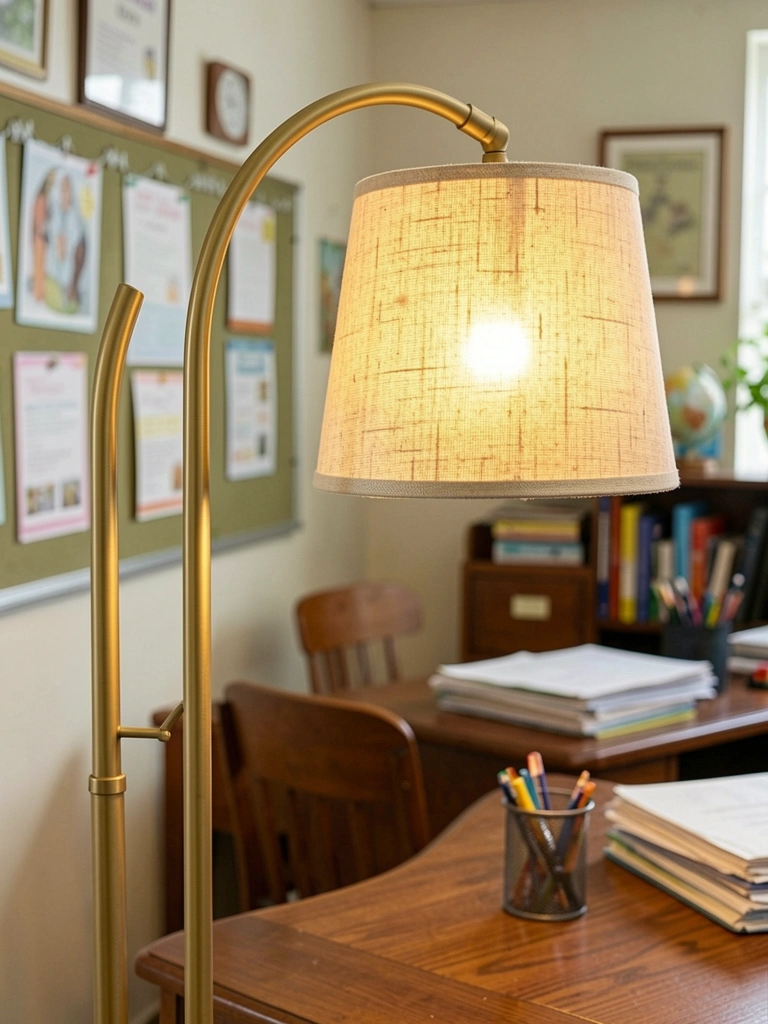
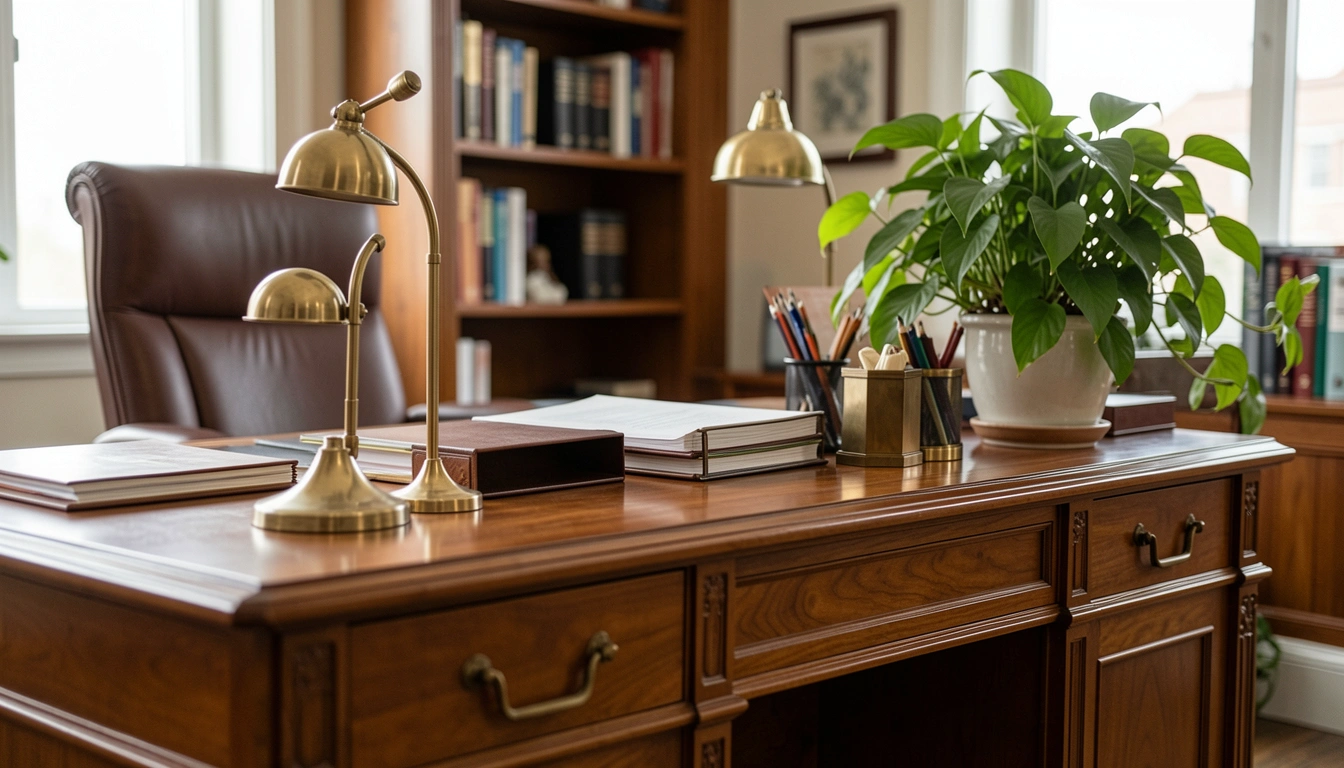
Next, I add the desk lamp to the back left of the tray. It brings height without crowding. Why? It draws the eye up, making the space feel taller and more open.
Now the table has rhythm—low tray, tall lamp. The insight folks skip: height creates flow, like reading left to right.
Don’t stack too much here. One focal height is enough. Overdoing it tips the balance.
I flick it on during meetings. Warm light settles everyone in.
Step 3: Layer Low Items in the Tray
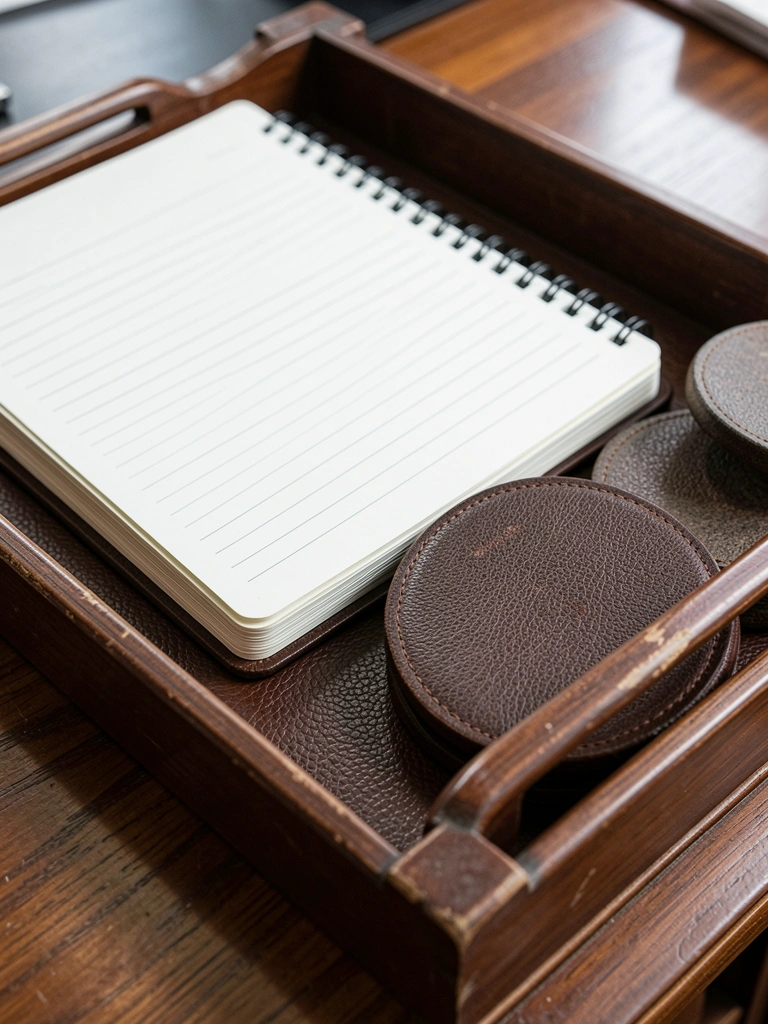
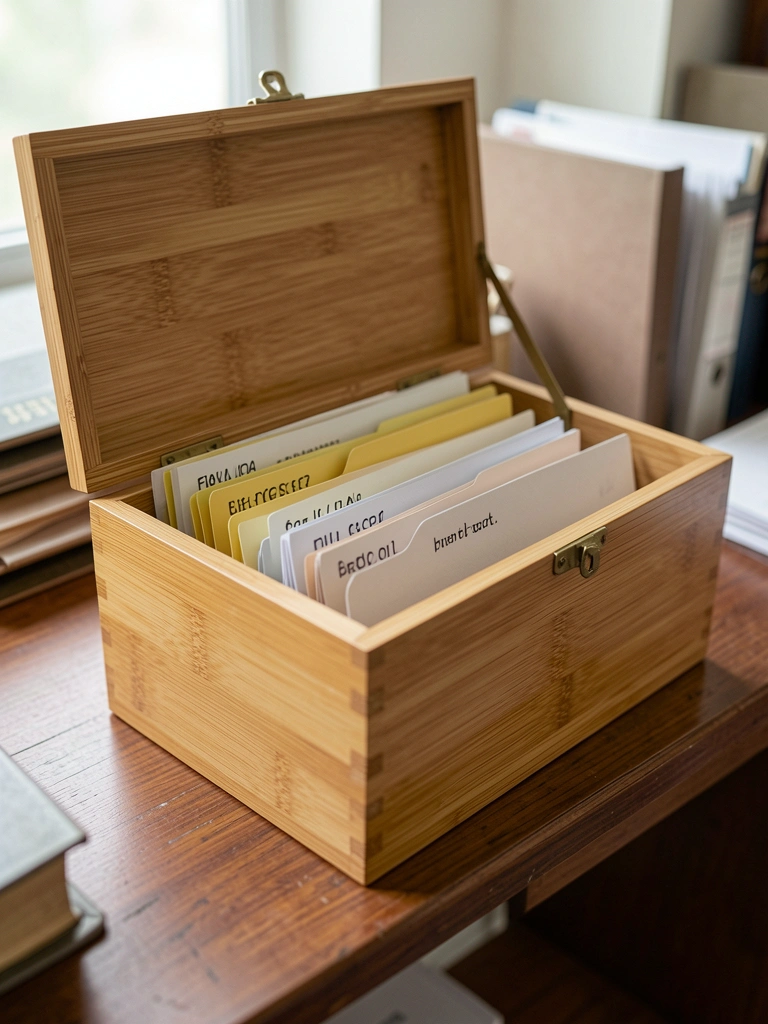
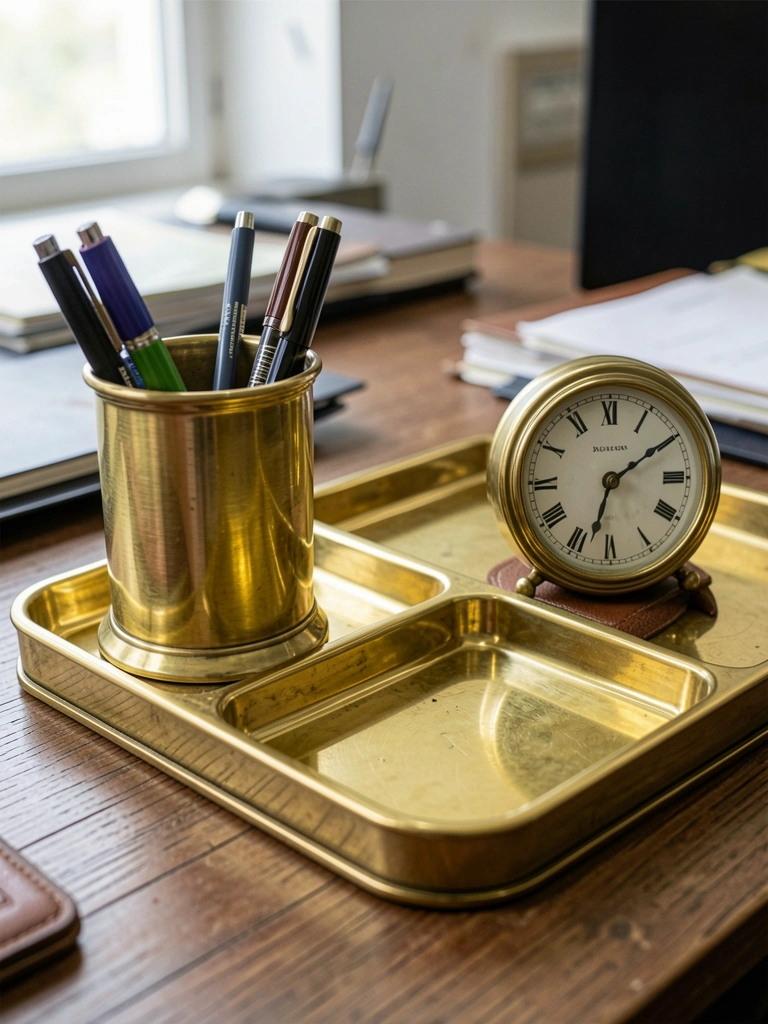
Inside the tray, I drop in the notebook and three coasters. Not packed tight—just enough to fill without stuffing. This keeps daily tools handy but contained.
The surface shifts to intentional. It looks used, not empty. Most miss the loose spacing; tight packing feels stiff.
Skip colorful items here. Neutrals blend better in an office.
I grab the notebook mid-day. It stays put through busy hours.
Step 4: Add Greenery for Balance
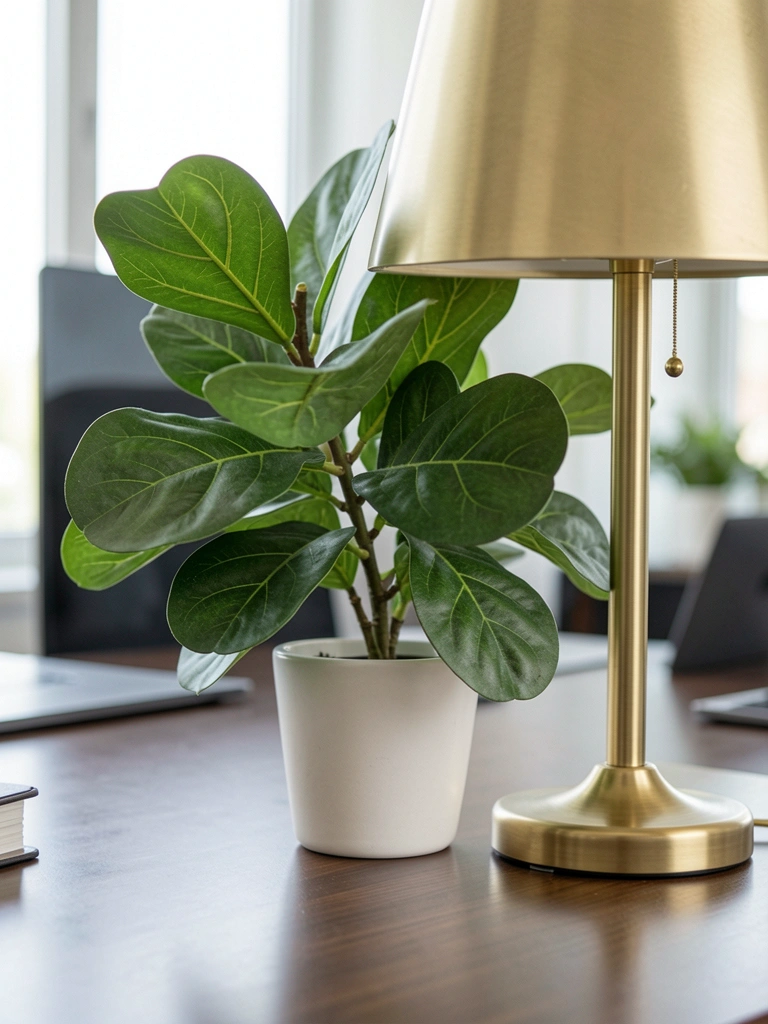
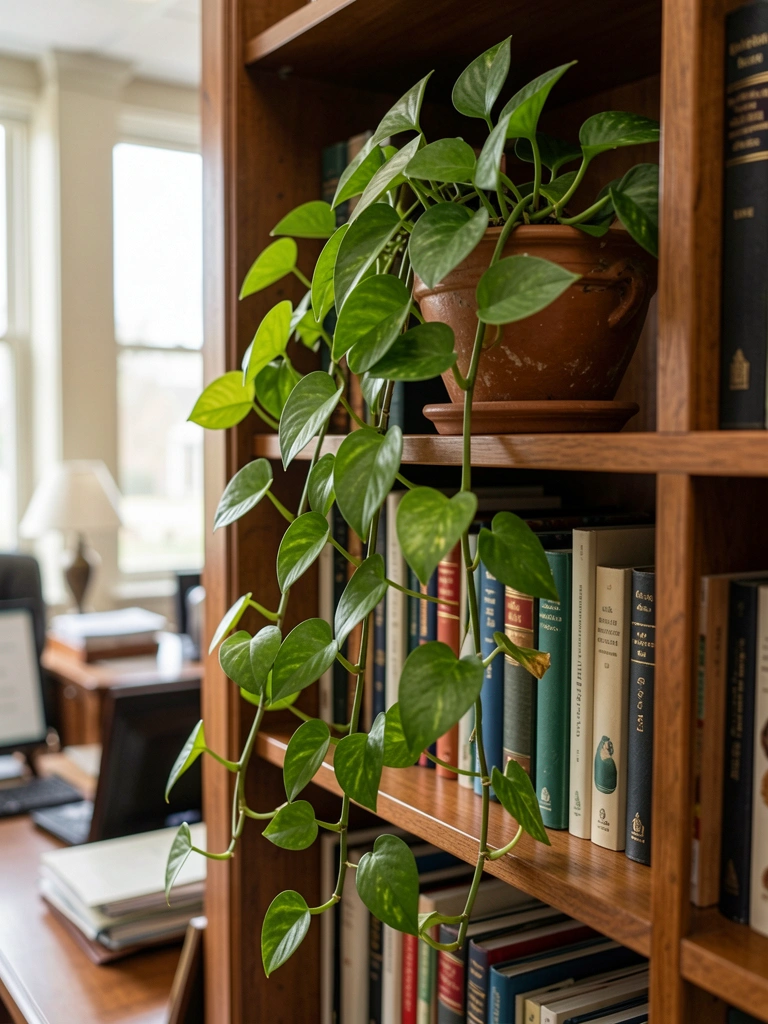
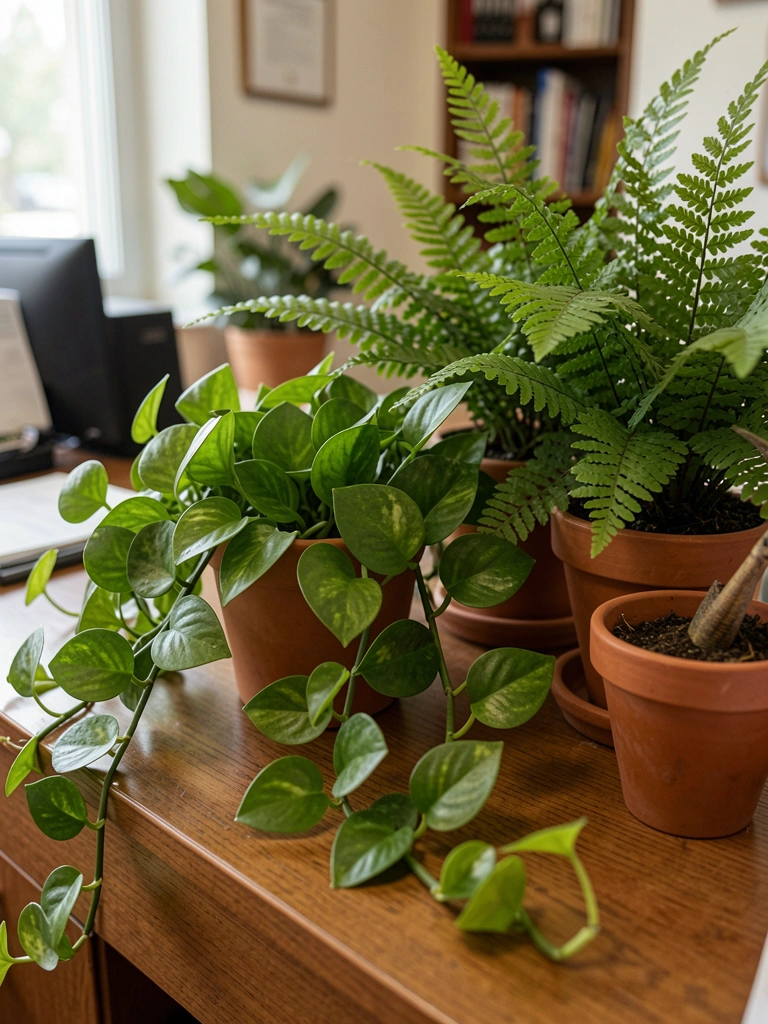
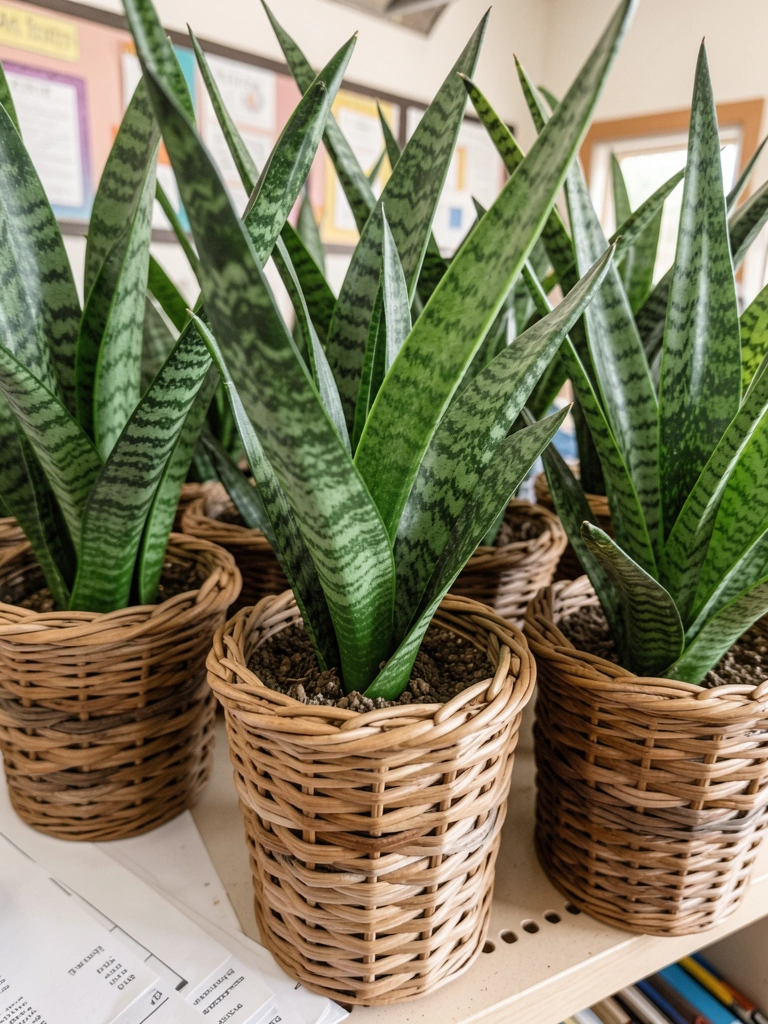
I set the plant pot to the right of the tray, mirroring the lamp’s height loosely. Greenery softens the wood and metal. It brings life without mess.
Balance hits now—left tall and lit, right soft and green. People overlook how plants quiet sharp lines.
Don’t center it. Off-to-side keeps energy moving.
This side feels warmer. Parents notice and relax.
Step 5: Finish with Personal Touches
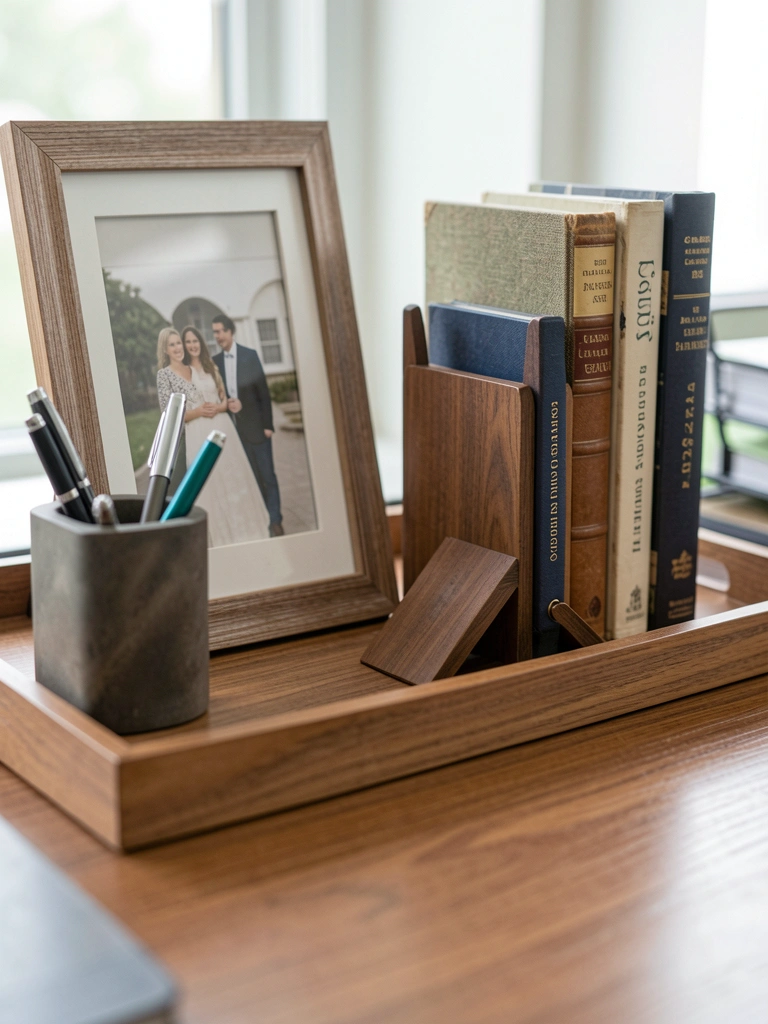
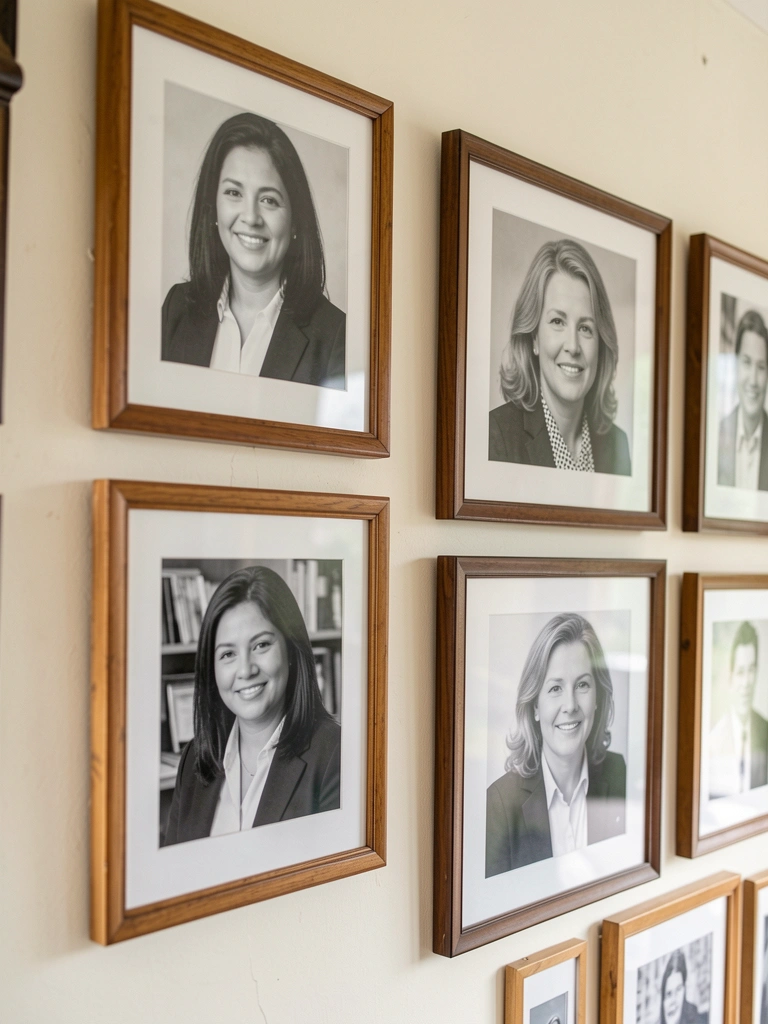
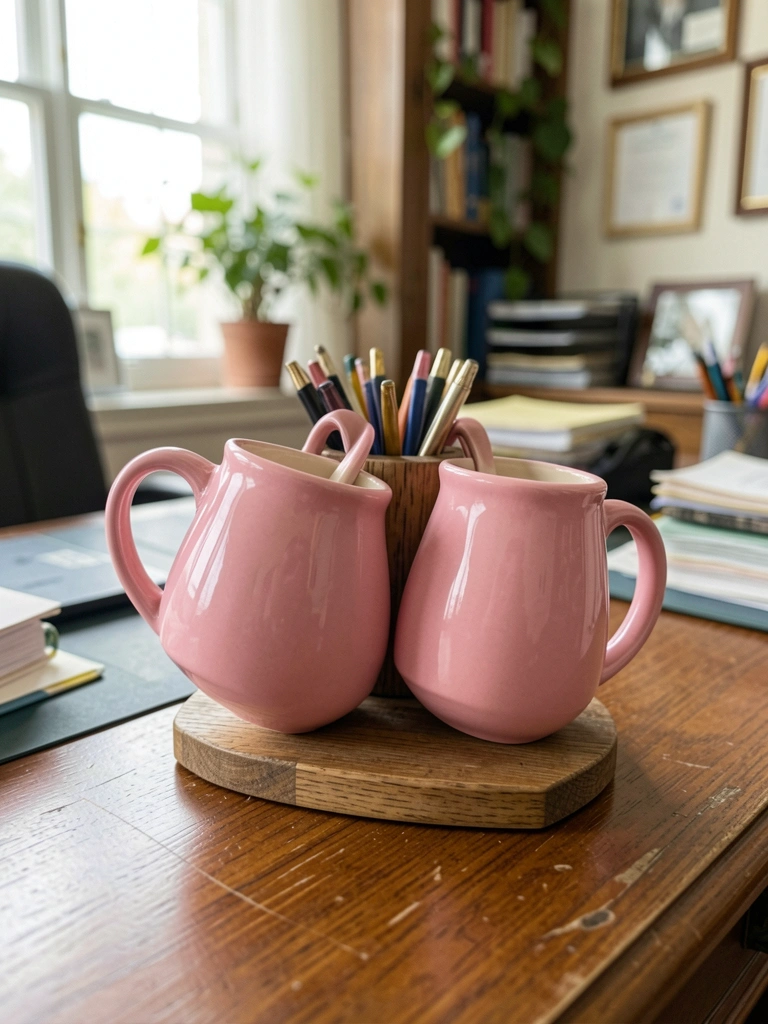
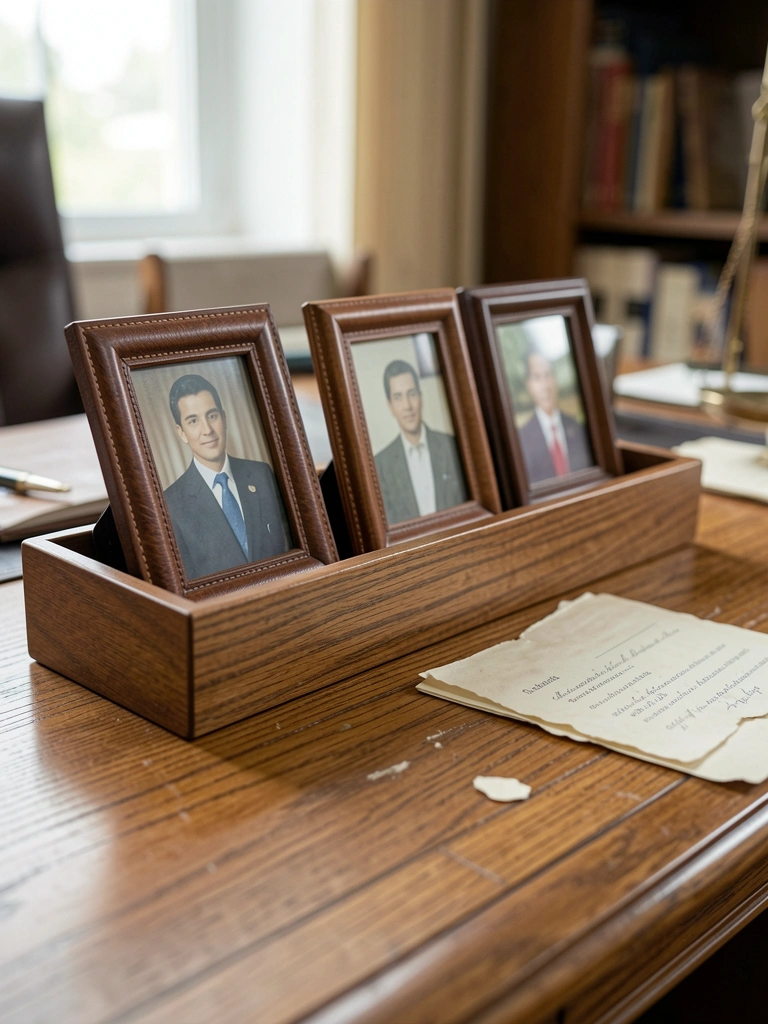
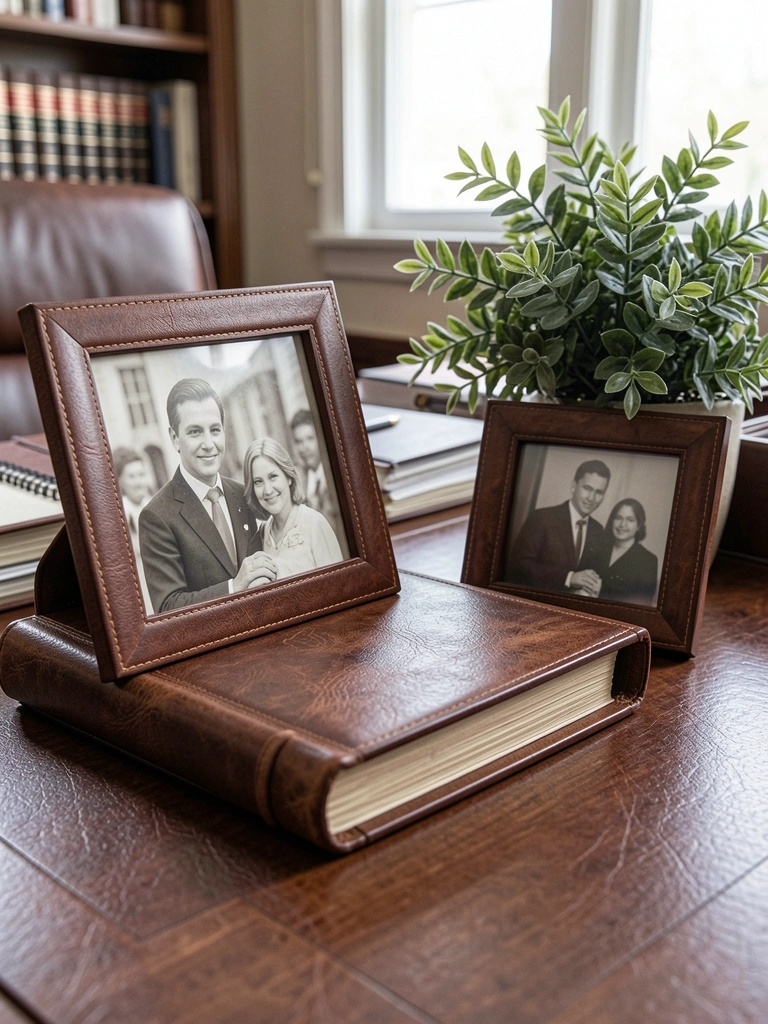
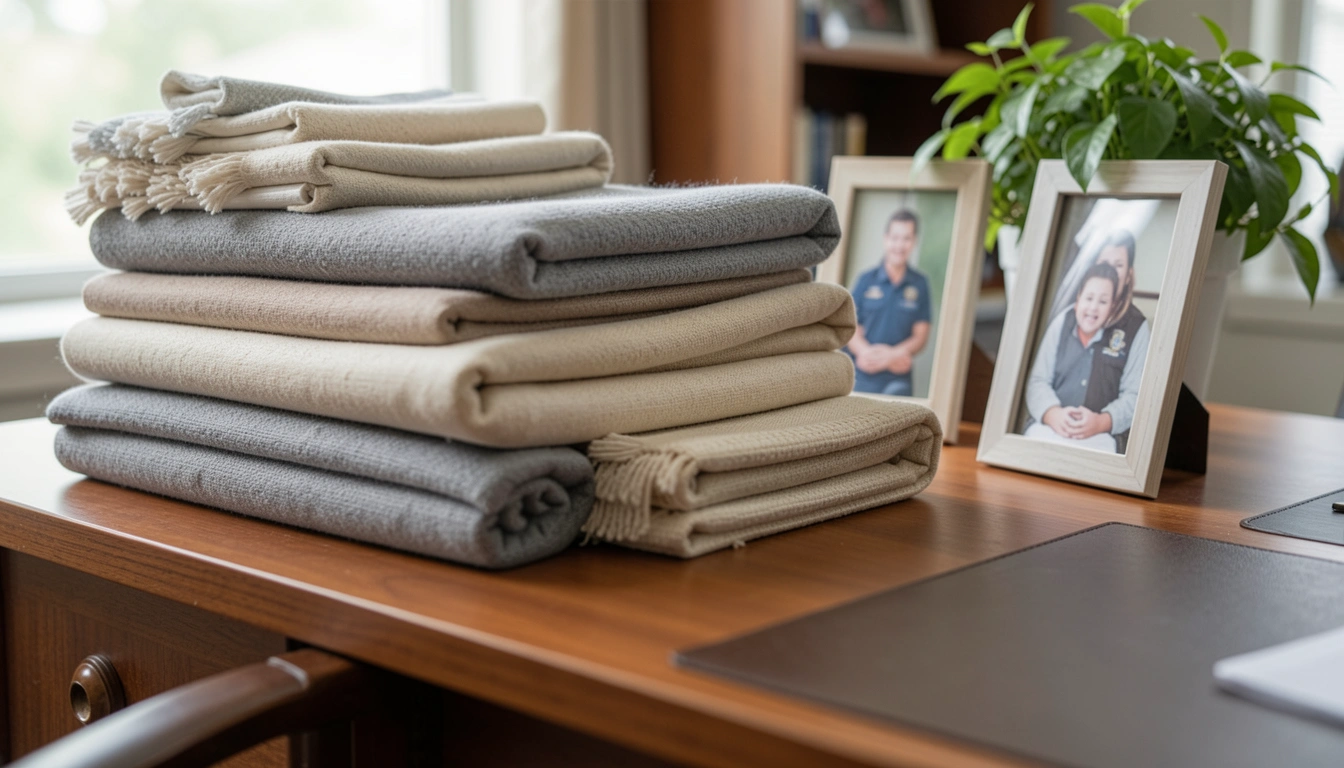
Last, I tuck the photo frame, pen holder, and bookends around the edges. Frame faces forward, pens within reach, books hold papers loosely.
The whole table feels complete, lived-in. The miss: personal items ground it—office-only looks cold.
Avoid lining them up. Cluster naturally for flow.
Mine holds up to a week of use. Simple wins.
Common Mistakes I Learned the Hard Way
I’ve cluttered my table plenty. Here’s what trips people up.
Center everything. It stalls the eye—offset for movement.
Too many smalls. They scatter; group in trays.
Forgetting function. Pretty but unreachable? Useless.
Stick to five items max. Less fights busier days.
How to Adapt for Busy Schedules
My office hums all day. These tweaks keep it steady.
- Swap coasters for a mug mat if coffee rules.
- Use bookends for files, not decor books.
- Dust weekly—greenery hides grime.
It stays practical. No reset needed mid-week.
Refreshing for Seasons
Offices mark time subtly. I rotate twice a year.
Fall: Swap plant for dried pampas in vase.
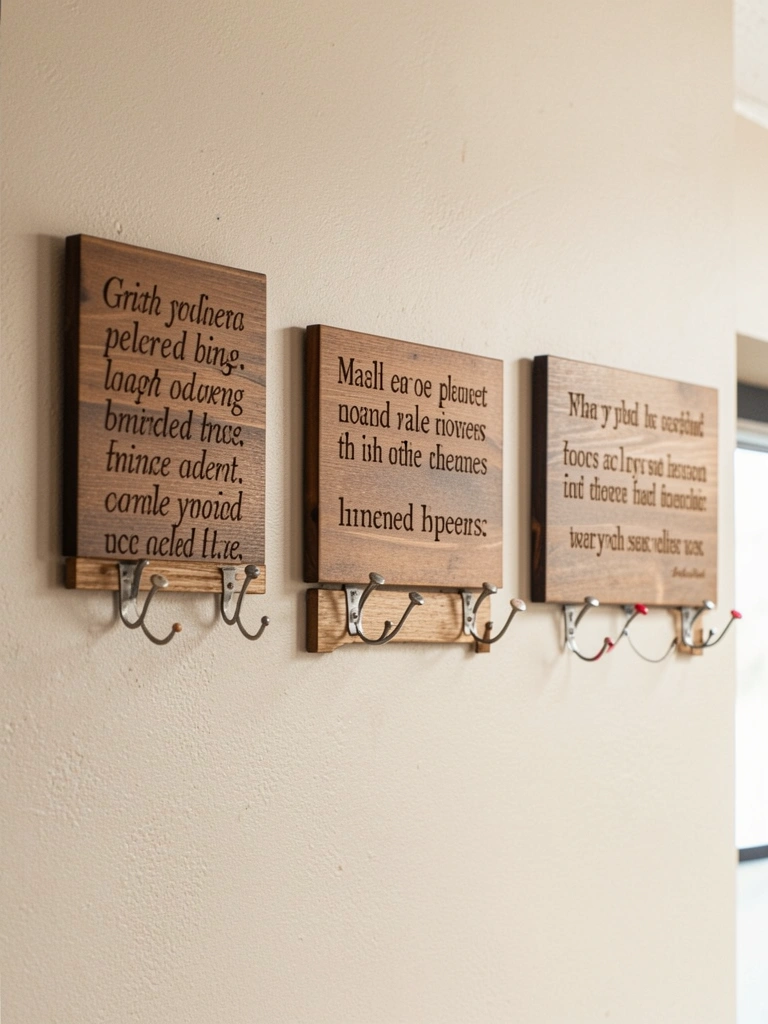
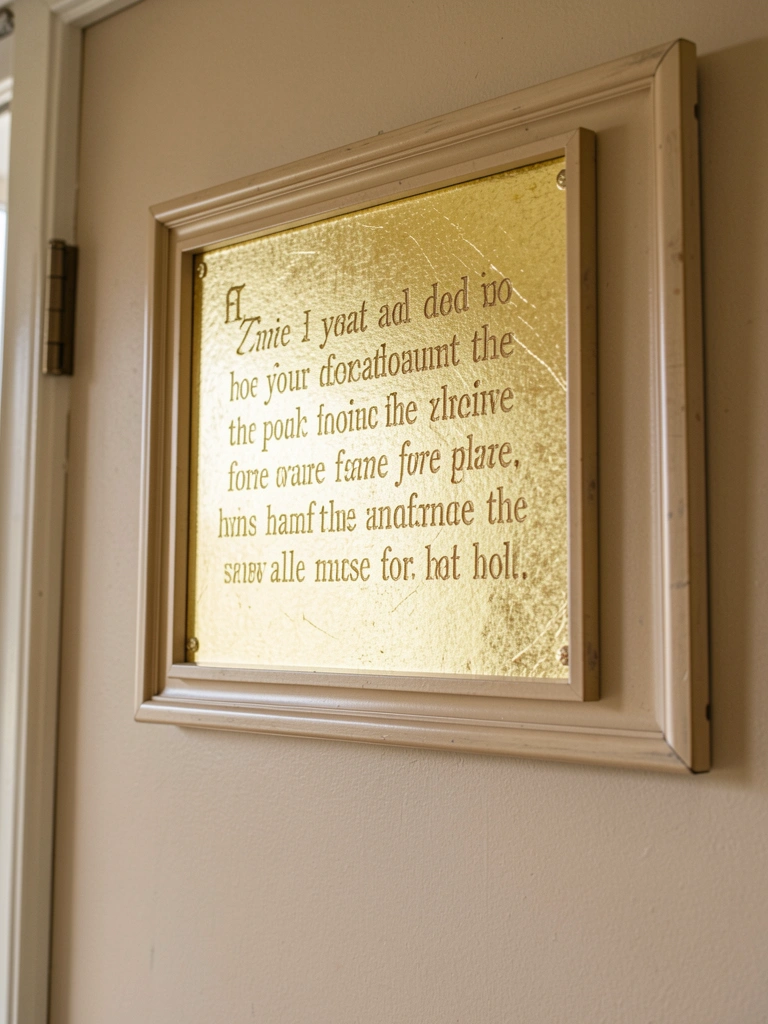
Spring: Add a small wooden sign with quote.
Keep neutrals core. Changes feel fresh, not overhaul.
Final Thoughts
Start with just the tray this weekend. See how it settles the space. You’ll build from there naturally.
Your table will work harder for you. It’s less about perfection, more about what holds.
I glance at mine daily. It reminds me to breathe. Yours will too.