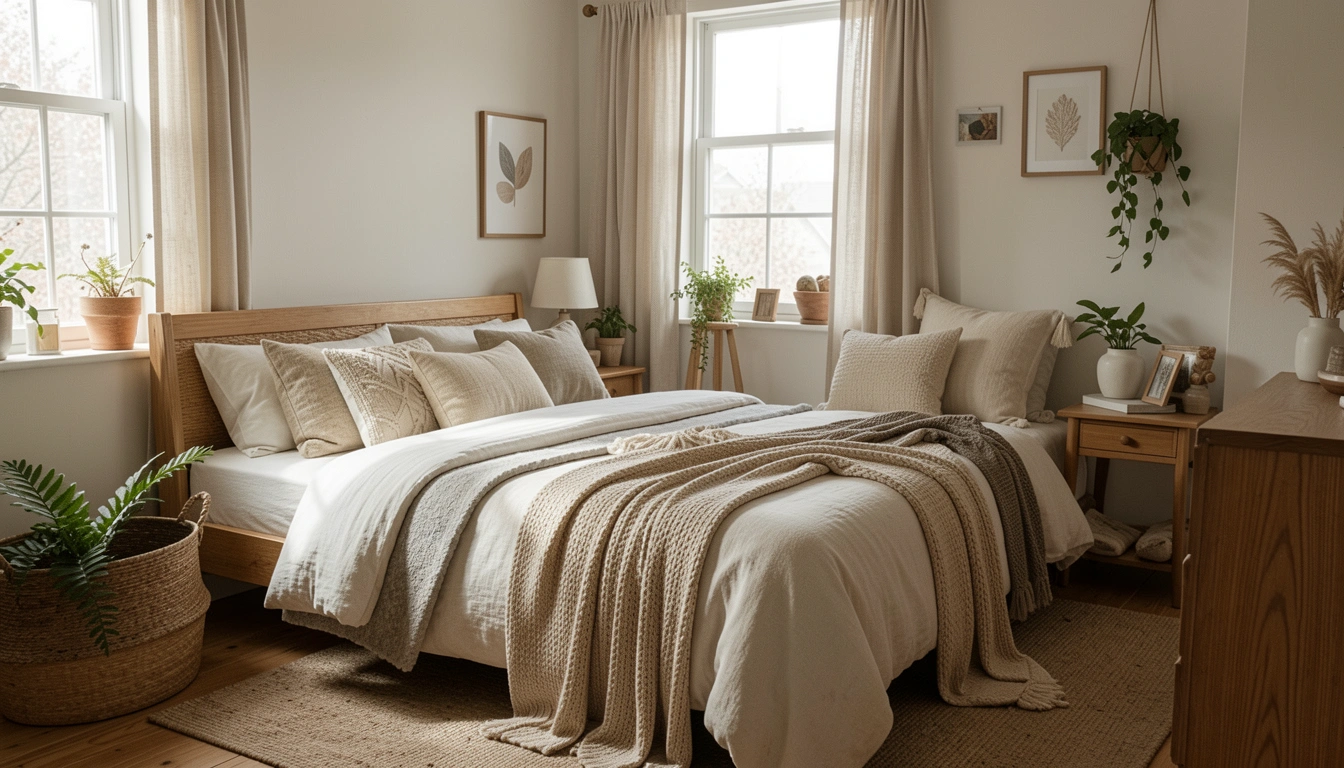
I once pushed a full-size bed against the wall in my tiny guest room. It ate up the floor and made the space feel trapped.
Walking around felt like squeezing through.
I pulled it out and tried twins instead. Suddenly, air returned.
How To Choose Twin Bed Size For Small Rooms Without Crowding
This shows you how I pick between standard twin or twin XL to keep small rooms open and easy to move in.
You end up with a bed that fits without blocking light or paths.
It works every time.
What You’ll Need
- low-profile metal twin bed frame
- standard twin mattress 38×75 inches
- twin XL mattress 38×80 inches
- narrow twin platform bed frame
- small bedside table 15-inch wide
- area rug 5×7 feet neutral
- wall-mounted floating shelf
- linen twin duvet cover soft gray
Step 1: Map Your Room's Main Paths
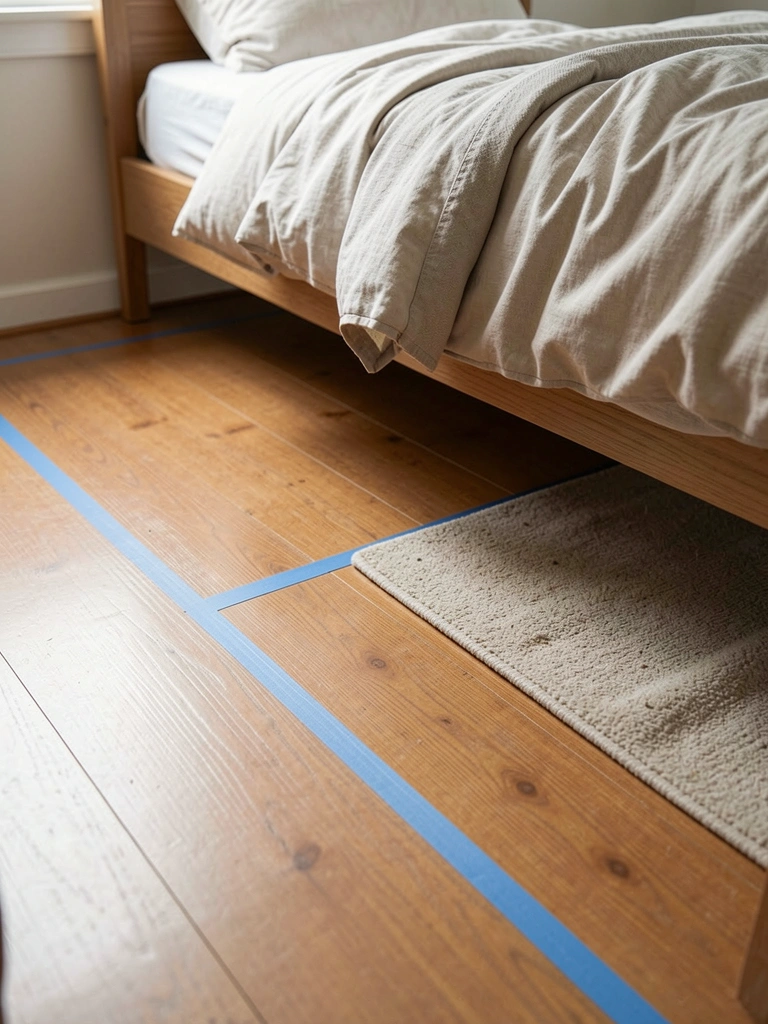
I start by walking my room slow. Note where I step naturally—door to window, closet to bath.
Mark those paths with tape. They need 24 inches clear at least.
People miss how beds cut across these lines. Insight: twins hug walls better, leaving flow open.
Avoid centering the bed if it blocks your first steps in. I did that once; felt closed right away. Now paths stay wide, room breathes.
This changes the visual: empty floor pulls your eye around, not just to the bed.
Balance comes quick. Feels comfortable already.
Step 2: Test Footprint Side by Side
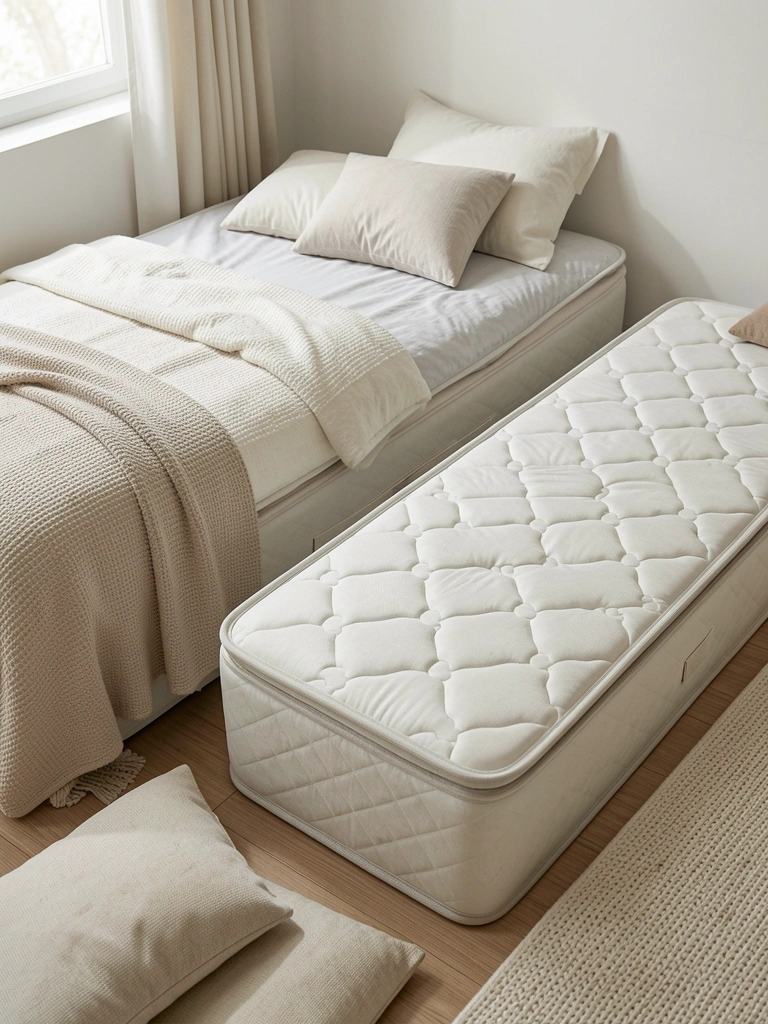
I drag in a standard twin mattress first, then swap for twin XL. Lay them flat, no frame yet.
See how each hits walls and doors. Standard twin saves 5 inches length—huge in tight spots.
Missed insight: length matters more than width in skinny rooms.
Don't pick XL just for guests; it crowds drawers and chairs.
Visually, the shorter one lets light bounce farther. Room grows.
I feel the shift—balanced, not jammed.
Step 3: Check Height Against Walls
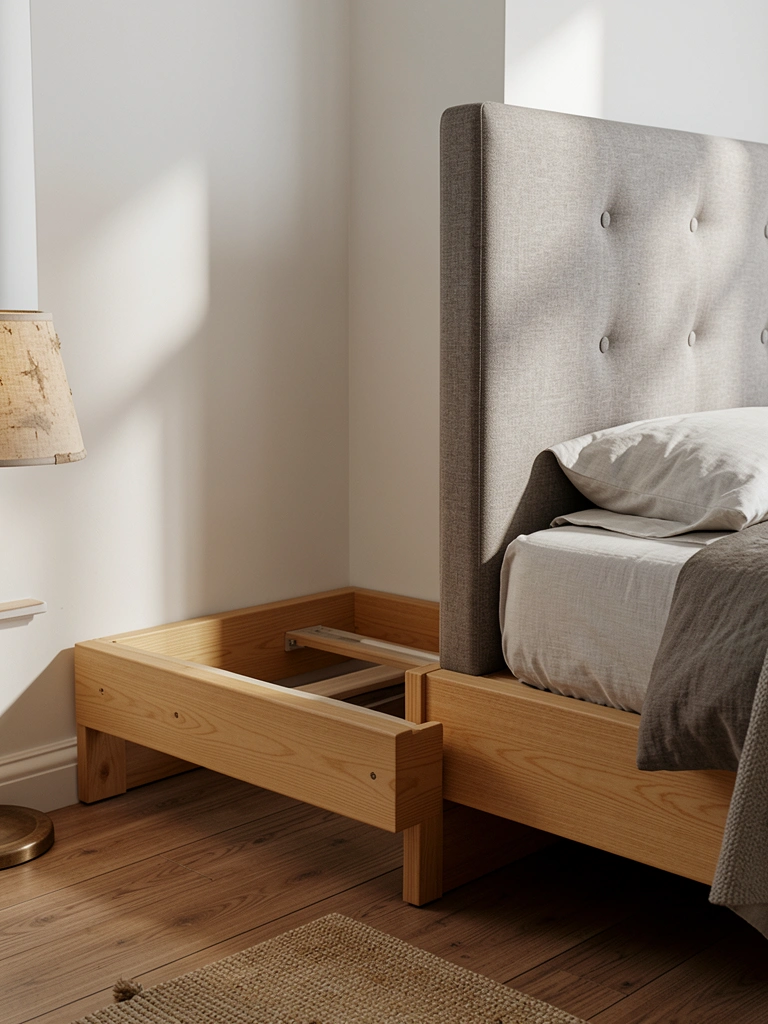
I stack boxes to mimic frame heights. Low-profile keeps eyes level with walls.
Taller ones loom, shrink ceilings. In my room, 8-inch frame opened it up.
People overlook how height steals air.
Skip bulky legs if walls are close; they chop space weird.
Now walls feel full height. Bed sits cozy, grounded. Flow improves.
Step 4: Balance with Side Pieces
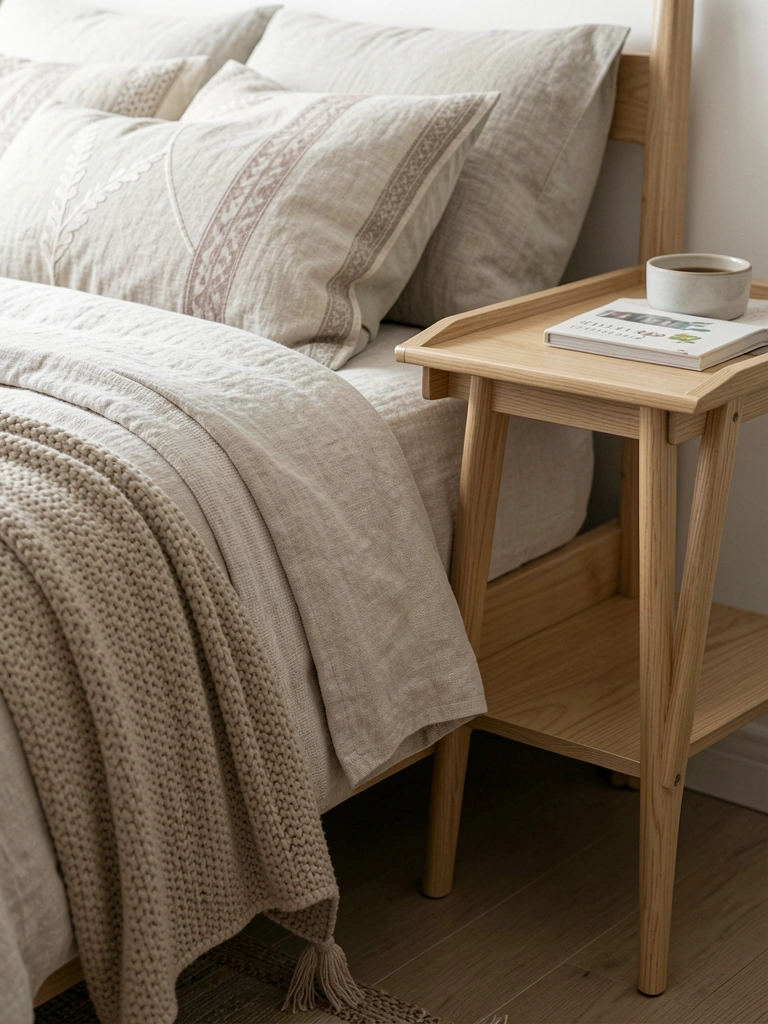
I slide a small bedside table next to it. Does it fit without overlap?
Twin leaves just enough for that 15-inch wide one. Pairs clean.
Insight: empty sides make beds float lonely—fill smart.
Avoid big tables; they push bed off-center. Mine tipped wonky once.
Visual shift: sides mirror each other. Room settles, intentional.
Step 5: Walk It and Sleep on It
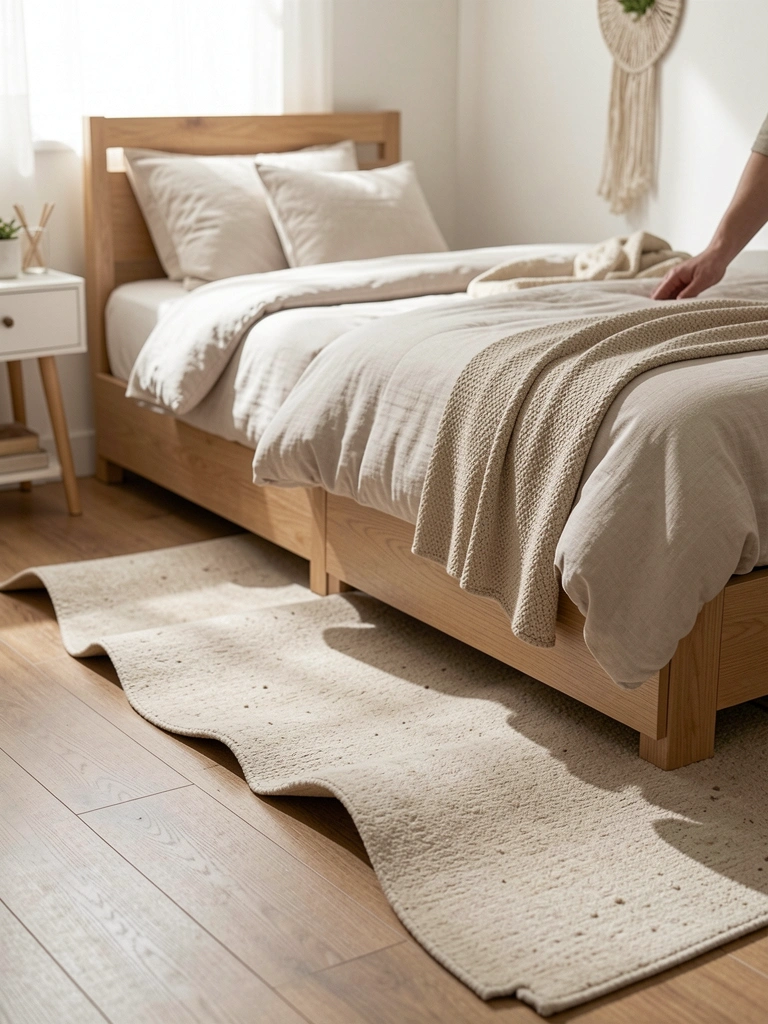
I live with tape outlines a night. Walk, sit, reach. Does it pinch?
Standard twin won in my space—easy mornings.
Miss how "fit" feels only after moving in it.
Don't rush buy; mock first or regret tight turns.
Bed blends now. Room warm, lived-in.
Why Standard Twin Beats XL in Corners
I tried XL in a corner once. Extra length poked the window.
Standard twin tucks neat.
- Keeps 2 feet walkway free.
- Lets chairs slide under.
- Walls stay visible, not swallowed.
Feels open. No regret.
Placing Twin Beds Along Shared Walls
Shared walls in kid rooms? I line twins up.
Same height avoids choppy lines.
One low-profile frame each. Paths between stay clear.
Bullets help:
- Face headboards same way for calm.
- Rug under both ties them.
Balance holds.
Filling the Space Around Your Twin Bed
After bed's set, I layer light.
Floating shelf above holds books—no floor steal.
Duvet drapes soft.
- Small rug anchors feet.
- Lamp on table warms corners.
Room fills without crowd. Comfortable daily.
Final Thoughts
Pick your twin size slow. Start with paths.
You'll see the room shift open.
Mine sleeps guests easy now.
Yours will too—balanced, simple.
Leave a Reply